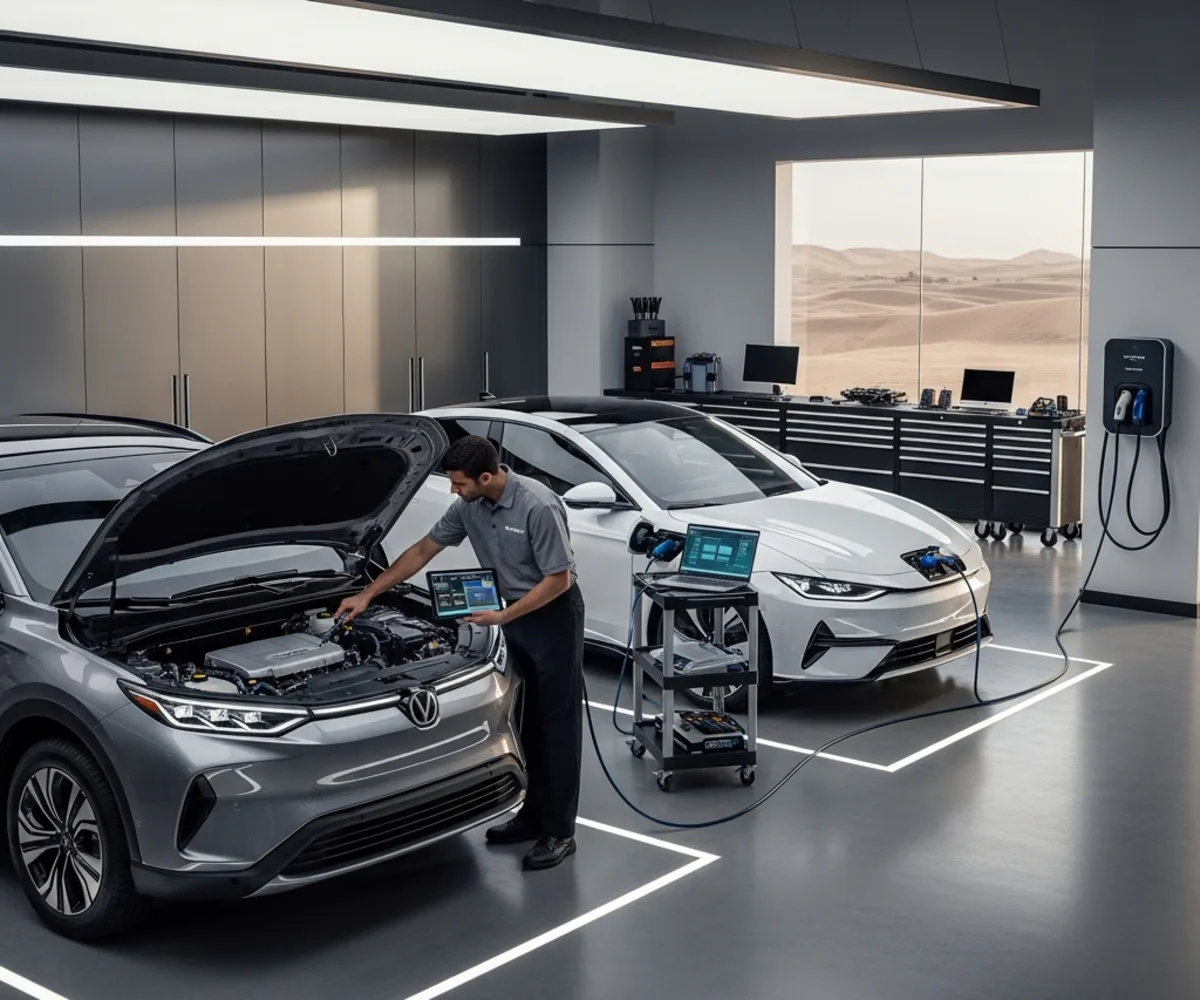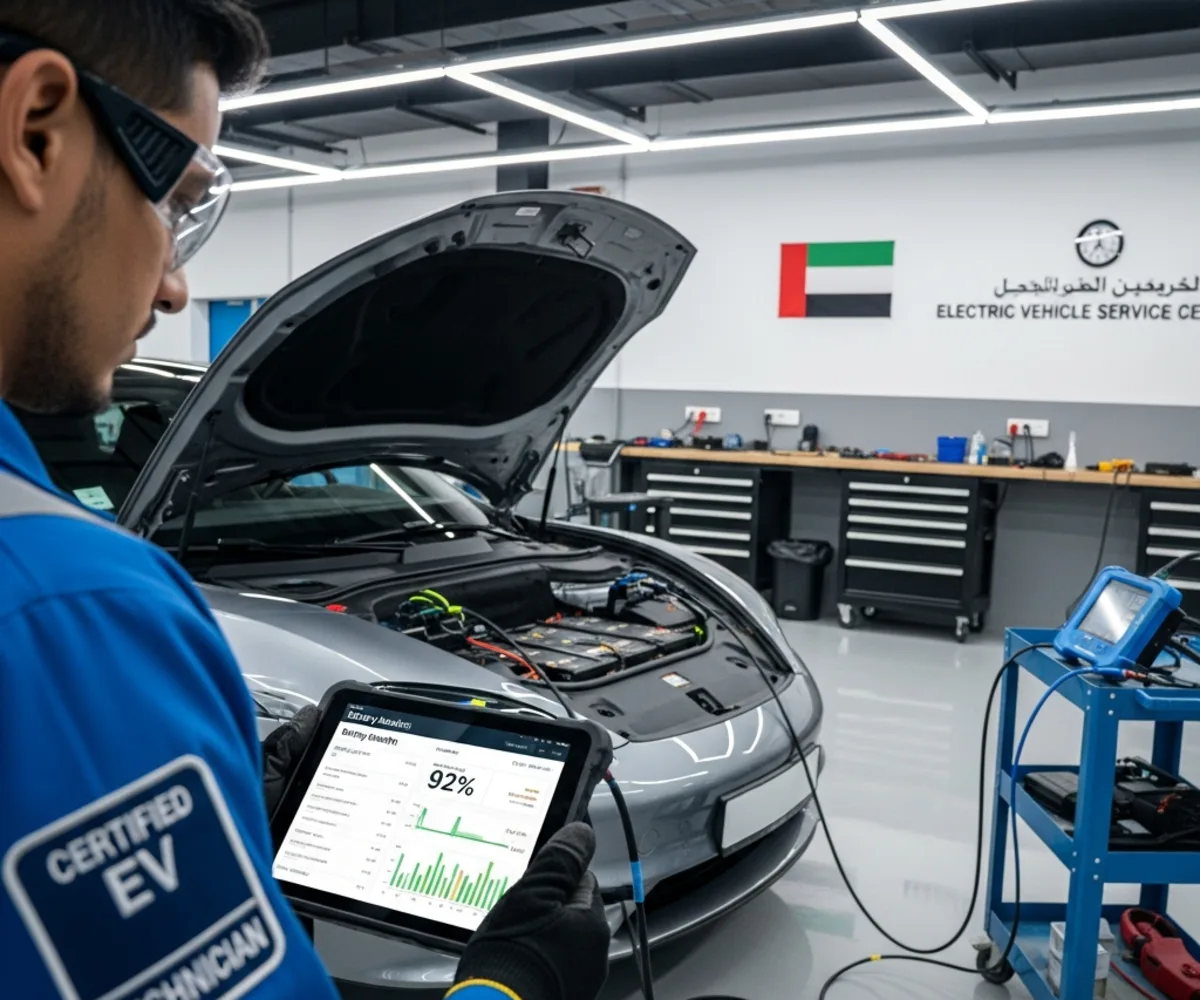
As electric vehicle (EV) adoption rises in the UAE, the used EV market is starting to mature. For buyers and sellers alike, the prospect of warranty coverage brings peace of mind, at least in theory. But when it comes to used EVs, one issue stands out above all others: the condition of the battery. The battery is not only the most expensive component in an EV but also the one with the most uncertainty as cars age. This reality is changing how vehicle warranty providers must approach risk, pricing, and claims for used EVs. For anyone considering a used EV warranty, whether you’re a car buyer, a dealer, or a warranty provider, the question deserves serious thought: Should a battery health report become a standard requirement before coverage starts? And if so, what should that report cover? This article examines the case for battery health checks, what makes a useful battery report, and how buyers, sellers, and warranty businesses all stand to gain from a more rigorous, transparent approach.
The battery is what separates EV warranties from those for petrol or diesel vehicles. While conventional cars rely on engines and gearboxes, an EV’s battery pack can account for half or more of the car’s value, and more than half of its long-term risk profile. Batteries don’t fail suddenly in most cases. Instead, they degrade subtly due to age, repeated fast charging, exposure to high temperatures, and subtle manufacturing variances. Standard pre-warranty vehicle inspections, checking brakes, suspension, tyres, and even high-voltage cabling, don’t tell the full story. Mechanical and electrical components are important, but on a used EV, the battery’s remaining health (often called ‘state of health’ or SoH) is the single biggest driver of financial risk for a warranty provider. If an older battery with hidden degradation slips through unnoticed, the warranty provider may wind up covering a near-certain, very expensive claim. On the other hand, rejecting coverage without genuine cause is no better, leading to frustration and lost business. A battery health report, produced with proper diagnostic tools, can show:
This information gives both the warranty provider and the car owner a much clearer, fairer understanding of what’s being insured.
Because EV batteries degrade in ways not obvious to the naked eye, or even a skilled mechanic, they demand a different type of inspection before a warranty is agreed. Some battery wear is inevitable and acceptable; what matters is knowing where things stand at the start. Without documented battery health, disputes over claims often start with uncertainty about when a problem began.
Claims disputes are more likely when neither party can prove the condition of the battery before coverage. Worse, buyers are sometimes left facing exclusions for ‘pre-existing degradation’ or denied cover altogether after a claim triggers a belated inspection.
Not all battery reports are alike. A proper pre-warranty battery report for a used EV should dig into issues that most ordinary inspections would miss. The best reports will include:
A comprehensive battery health assessment is more than plugging in a simple OBD tool, it often requires brand-specific diagnostic software and some technical know-how.
When a warranty provider can see real battery health data up front, pricing the policy becomes more accurate and tailored to the car’s true risk. Instead of applying broad exclusions (“No coverage for batteries below 80% state of health”), providers can set:
By separating low-risk cars from high-risk cars, the warranty business reduces costly surprises while buyers avoid blanket exclusions or overpaying for coverage. Accurate SoH and battery health data also curb adverse selection, where only owners of degraded vehicles bother to seek coverage.
When a detailed battery report is collected before the warranty activates, buyers get clearer protection:
Over the long term, this transparency builds trust into the warranty relationship and avoids buyers and providers feeling like adversaries.
One reason battery health reports are not already standard is cost, both in time and money. A thorough battery diagnostic, especially using approved tools or at authorised centres, may cost a few hundred dirhams upfront. Is this expense justified? Consider that a typical EV battery replacement can cost tens of thousands of dirhams, depending on the vehicle. From a risk management perspective, a modest diagnostic bill is small compared to the financial downside of an undetected, badly degraded battery later failing under warranty. For buyers and warranty providers alike, this upfront spend is a cost of certainty that pays off in reduced disputes and more stable pricing.
Skipping a proper battery health check before starting coverage carries real risks for everyone involved:
Worse, in markets lacking standardised inspection protocols, the process for deciding these cases is murky and may be inconsistent across brands and sellers.
As the UAE market for EVs, both new and used, grows, standardising pre-warranty battery inspections could offer real value. Possible steps might include:
1. Inspection Timing: The battery health report should be produced immediately before warranty cover begins, ideally as part of the pre-sale or pre-policy check with written records held by both parties.
2. Who Performs the Inspection: Authorised dealerships, trusted third-party EV specialists, or certified diagnostic centres are best-placed to provide consistent, credible battery reports. Using manufacturer-approved diagnostic tools adds trust and compatibility, particularly on imported vehicles or those with incomplete UAE service history.
3. Consistent Formats and Data: Warranty businesses, insurers, and dealers should agree a set of core data points to include in every report (charging history, fault codes, thermal records, cell variances) regardless of vehicle brand.
4. Accessibility and Transparency: Reports should be accessible to all involved, buyer, seller, and warranty provider, and explained in plain language so everyone understands the implications. This reduces the risk of buyers missing hidden exclusions or misunderstanding the fine print. Bringing these standards into the mainstream would require collaboration between warranty providers, industry groups, and perhaps UAE regulators, but the payoff would be a healthier, more trusted used EV sector.
For the used EV market in the UAE, the battery is both the prize asset and the biggest point of concern. By making battery health reports a standard part of warranty coverage, checked by professionals, focused on clear data, and shared upfront, the entire process becomes fairer for buyers and less risky for providers. With clear state of health data, transparent baseline records, and well-informed pricing, both sides can avoid the worst-case scenario: expensive claims, denied coverage, or unhappy customers caught out by fine print. As the market matures and electric vehicles become a core part of UAE transport, expect rigorous battery health inspections to become the new normal, and a positive step for everyone involved.