.webp)
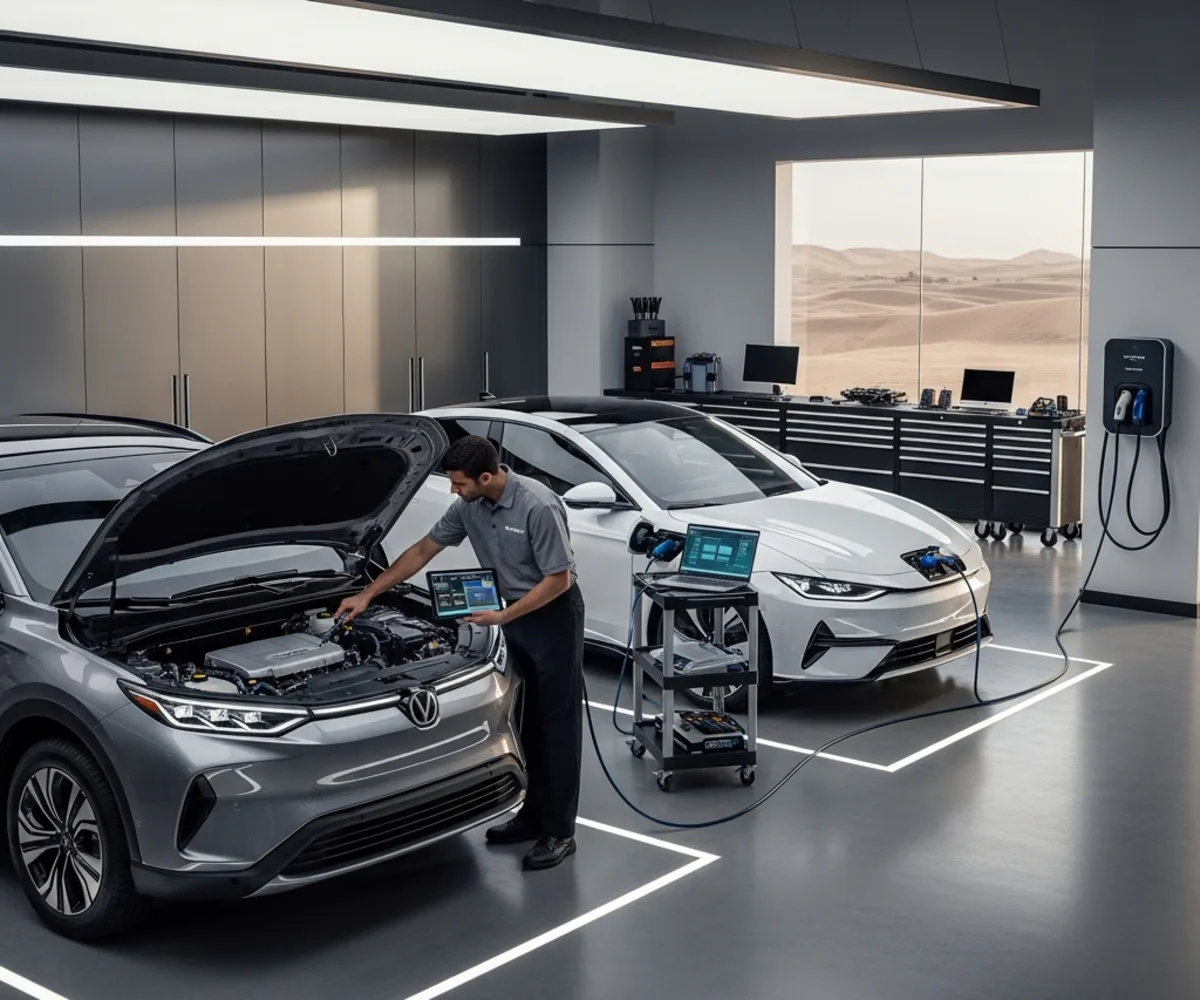
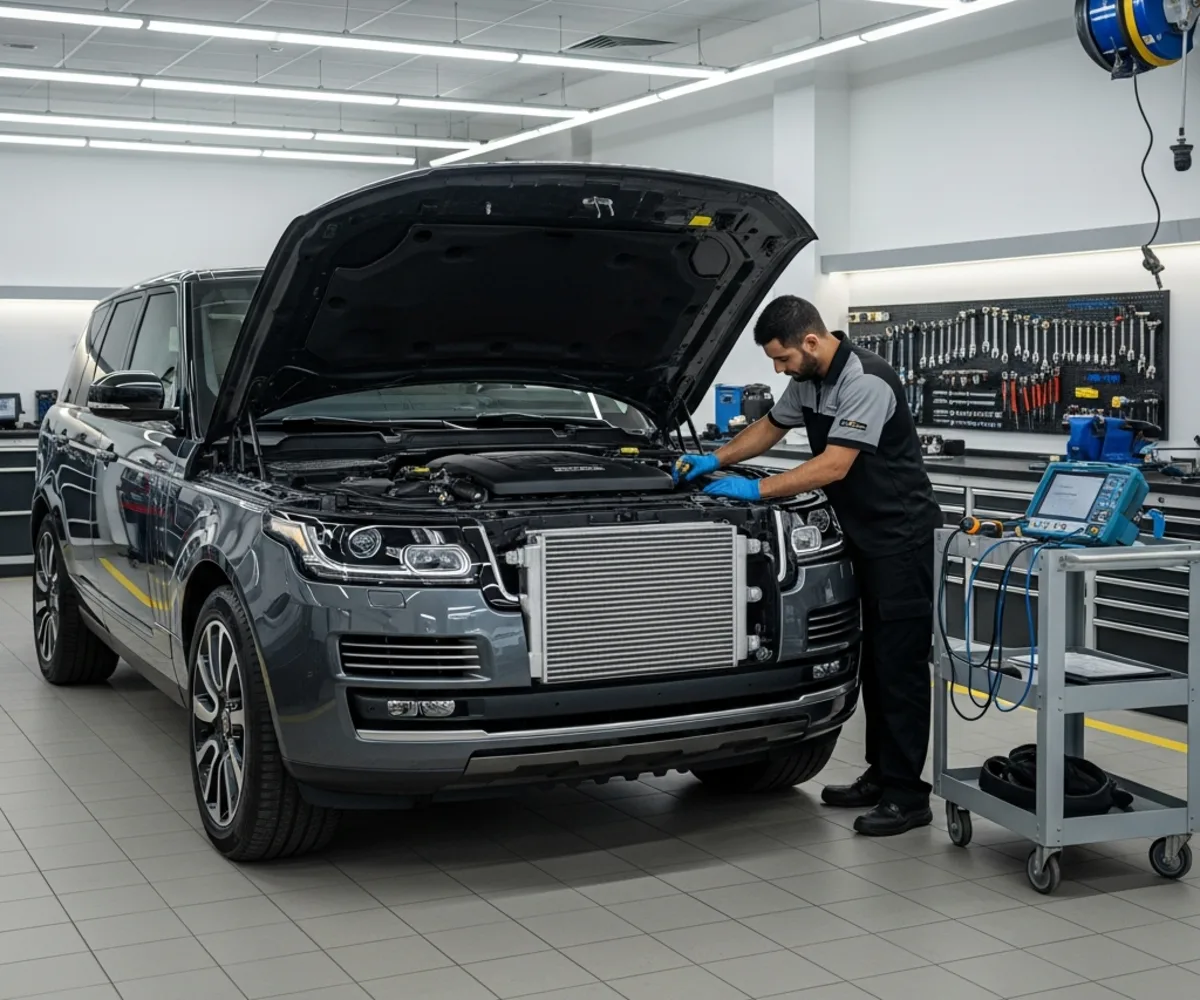
Many drivers know they might want extended protection at some point. Fewer think clearly about timing. Some plans are sold on the day you buy the car. Others can be added just before the factory warranty expires. Each option has different costs, conditions and risks. Choosing blindly because “the dealer offered it” is not a strategy.
Looking at timing carefully helps you avoid paying too early for coverage you do not use, or leaving it too late and discovering you no longer qualify.
When you buy a new or nearly new car, dealers often push extended coverage in the finance office. It can feel like part of the natural process. There are real advantages, but also drawbacks.
Pros:
Cons:
This approach suits people who want everything fixed upfront and prefer a single monthly figure, even if it costs more over time.
Another option is to wait until the factory warranty is close to ending, then decide. This is common for owners who prefer to see how the car behaves first.
Pros:
Cons:
This approach fits owners who keep an eye on their car’s history and are able to plan ahead.
If you bought a used car or did not decide at delivery, you might find yourself in the middle of the warranty period. In many cases you can still add extended coverage, especially through third party providers, as long as the car meets age, mileage and condition rules.
This can make sense when:
The key is to check eligibility early. Waiting until issues appear or the car is very high mileage will narrow your options.
From the provider’s side, pricing and eligibility are driven by risk. The older and higher mileage the car is, the greater the chance of a claim. Some providers also look at service history and the number of past repairs.
In simple terms:
This is why it helps to know the upper limits for age and mileage before you put off the decision for too long.
Instead of assuming one timing is always best, it is better to match the timing to your plan for the car.
Ask yourself:
If you plan to keep the car for many years and know that big repair bills would hurt, looking at extended protection well before expiry is sensible. If you like to change cars often and treat them almost as short term rentals, paying early for long coverage may not be necessary.
GE Warranty can work with both types of owner, whether you want to build protection into your ownership from early on or add it closer to the end of factory coverage. The important thing is that the timing is a deliberate choice, not just something that happened by accident.