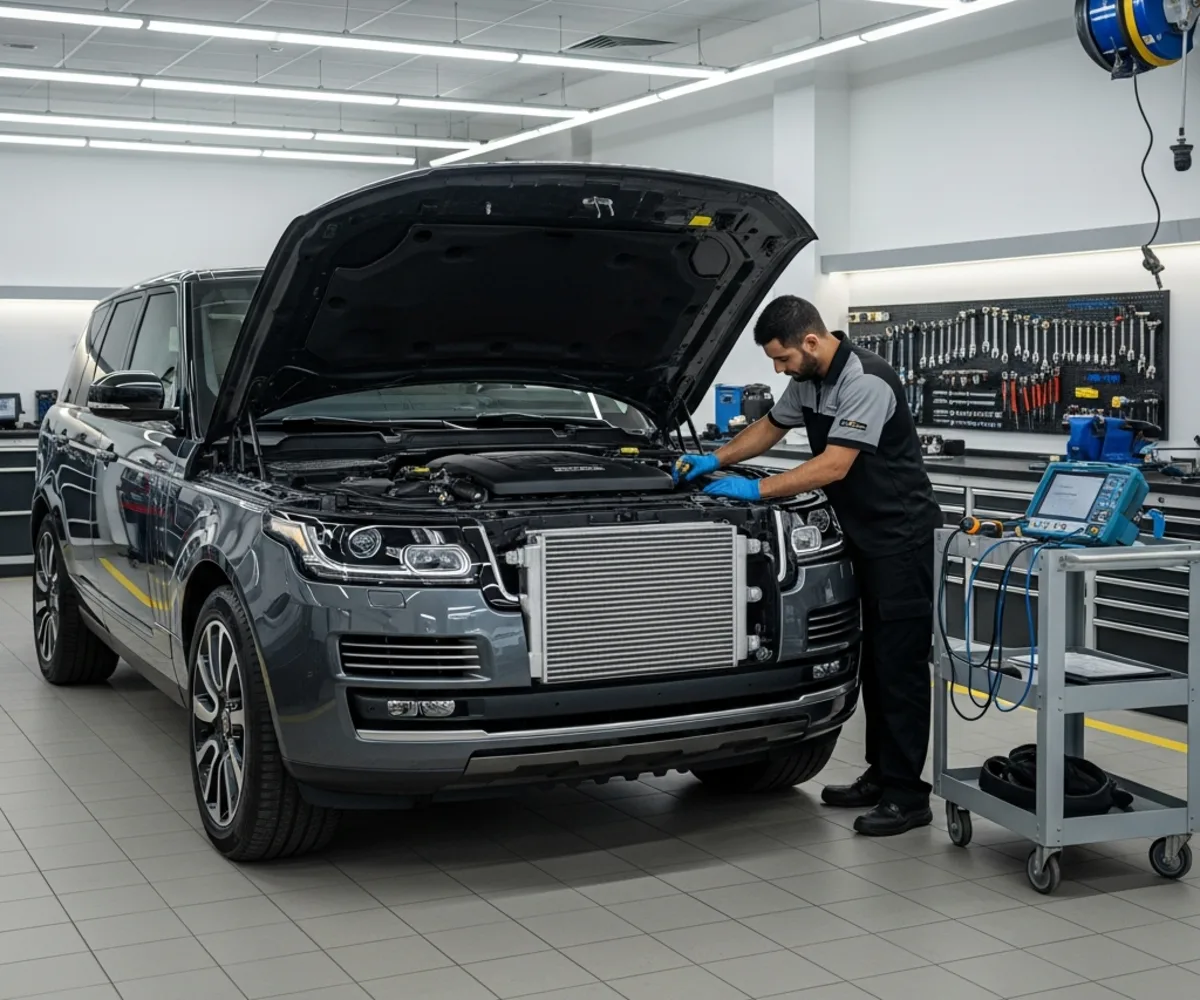
If you’ve just had your car inspected in the UAE and the report highlights some mechanical or electrical faults, you might be asking yourself a key question: can you still buy a warranty, and will it protect you from expensive repairs? This is one of the most common pain points for both everyday drivers and used car buyers. Getting the timing right, and understanding what’s actually covered, can make a real difference to both your out-of-pocket costs and your peace of mind. Let’s break down what UAE vehicle owners should expect , and what steps make sense when you’re trying to secure warranty protection after inspection issues are found.
You can usually still apply for a car warranty after an inspection uncovers faults. Still, it’s important to set expectations: the coverage will almost always exclude any pre-existing issues that were found during the inspection. Most UAE warranty providers are open to offering plans on used or imported vehicles even after an inspection, but their primary concern is ensuring they’re not taking on risks that have already come to light.
The inspection report becomes a key document during the warranty assessment process. Not only does it show the vehicle’s current mechanical and electrical health, but it also provides providers with grounds for exclusions or specific conditions. Major faults flagged in the report are almost always excluded immediately.
Warranty companies define pre-existing conditions as any issue known (or reasonably detectable) before the warranty contract starts. If a fault is present in the inspection, or recorded in the service history or diagnostic scan, it’s unlikely ever to be covered by a new warranty policy.
The purpose of a warranty is to guard against sudden, unexpected failures after the policy begins, not to cover repairs for issues that already exist. From an insurer’s perspective, covering known faults would be like selling home insurance for a building after it’s already flooded. This rule is consistent across most UAE extended warranty providers.
If these issues are documented, they become exclusions on most warranty policies.
Even if your car has a handful of problems noted in the inspection, that doesn’t mean warranty protection is pointless. You can often still secure coverage for components and systems unrelated to the faults already on record.
UAE warranty providers take a thorough approach when reviewing a vehicle for new or extended coverage, especially after inspection issues arise.
If in doubt, ask the warranty provider for clarity on what, specifically, is covered and what is not.
Purchasing a warranty after inspection faults are found isn’t always a wasted effort. There are clear scenarios where it can still pay off:
If you’re considering a warranty after inspection issues, make sure you understand exactly what you’re buying. Here’s a practical checklist:
Ask direct questions before signing. Reliable providers in the UAE will be happy to clarify what’s covered, what’s excluded, and what documentation they need from you.
One core lesson from all of this: securing warranty protection before problems crop up is the most effective route to managing your vehicle’s repair costs. Once a fault is documented, it’s almost always excluded, so proactive buyers enjoy broader cover and can spread their risk over the full lifespan of their car. For used and imported vehicles, getting a warranty as soon as you take ownership is often the smartest move.
Buying a warranty after an inspection uncovers faults isn’t impossible in the UAE, but it comes with real limitations. Most existing issues will be excluded, and your premium or cover scope may change depending on the severity and type of faults found. Still, protection for unrelated systems is often available and can keep future repair costs predictable. Clear communication with your provider, careful review of exclusions, and the option to fix problems before applying can all help you get better value from a warranty policy. The right timing and a clear understanding of what’s covered are key to making coverage work for you, now and for years down the line.