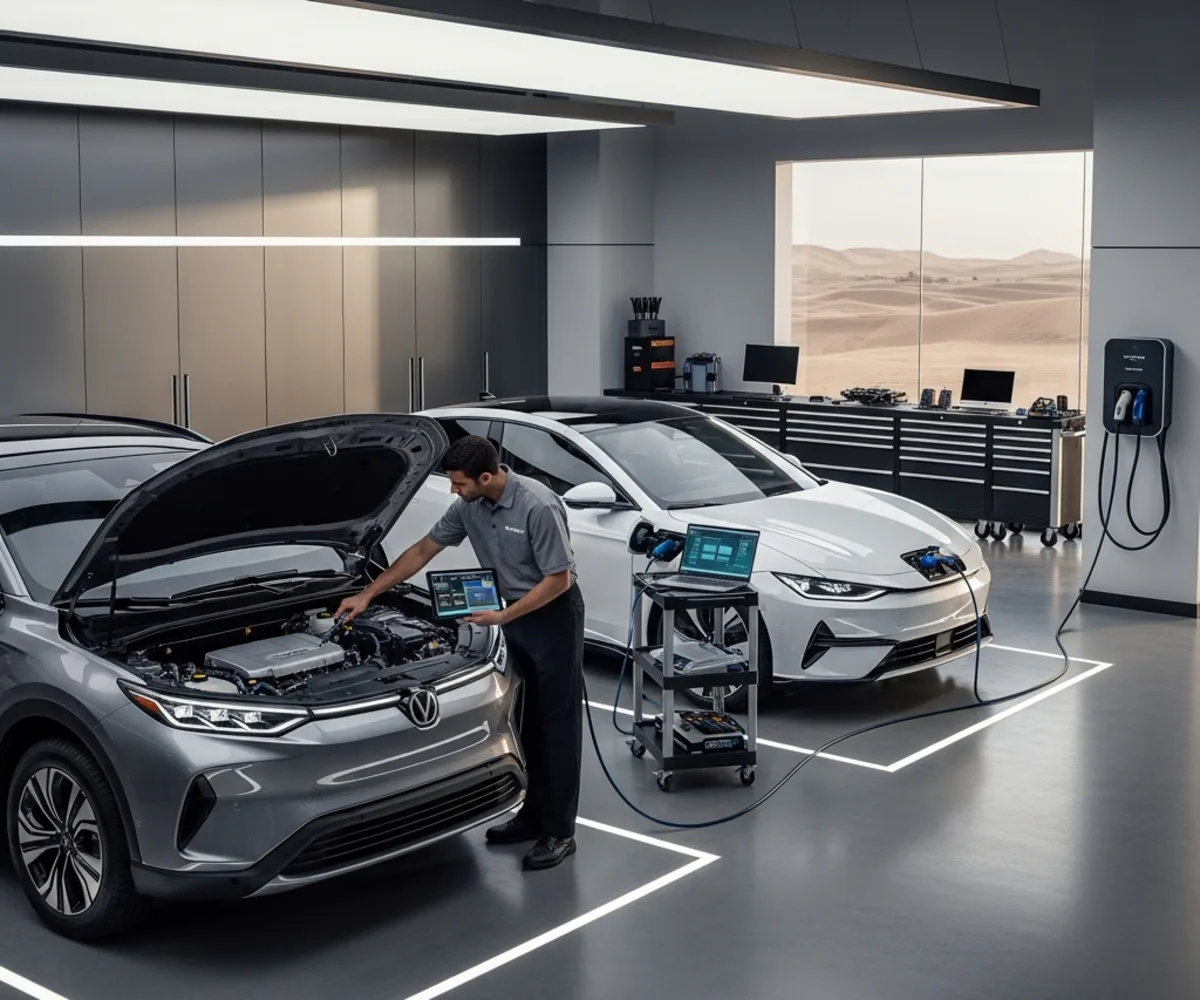
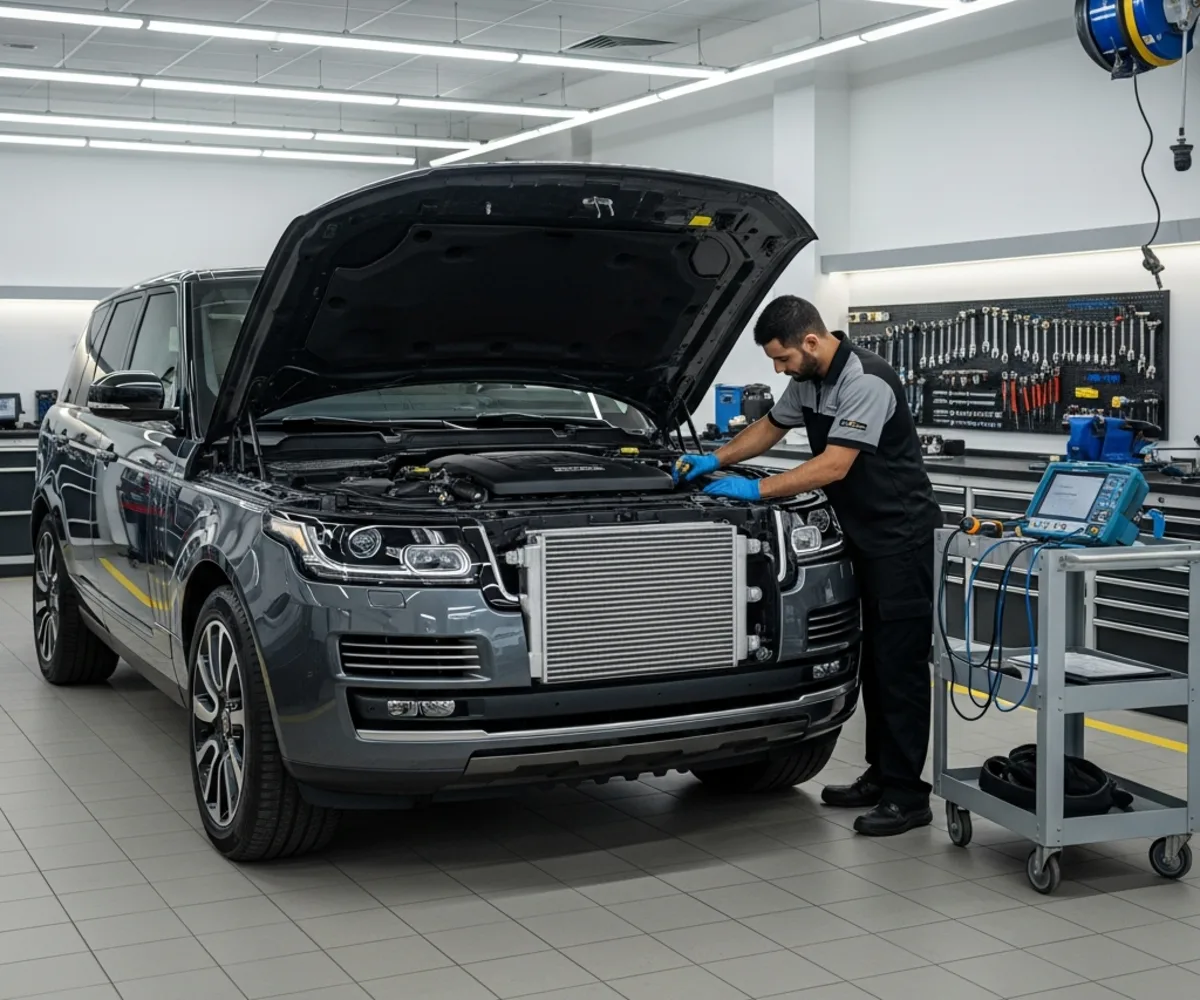
.webp)
Buying a car in the UAE is a big deal. Roads are good, distances are long, summers are brutal, and most of us rely on our cars every day. So when something major breaks, the bill can be painful. That’s where car warranties come in.
The problem is, warranty terms are usually written in tiny text and packed with conditions. Many drivers in Dubai or Abu Dhabi only look at them when a claim is rejected. By then it is too late.
This guide walks through how car warranties work in the UAE, the laws behind them, what new and used cars usually get, and what extended warranties really cover. The idea is simple: after reading this, you should know what you are paying for, what you can expect, and how not to lose your rights.
Here’s the thing about the UAE: cars work hard here.
Modern cars are packed with electronics, turbos, sensors, and, in the case of EVs, battery packs worth more than some used cars. When something big fails, the cost is high. A warranty is not a magic shield, but it is a way to move part of that risk away from your wallet.
A good warranty does three main jobs:
In the UAE, where most new cars come with multi‑year warranties and used cars are often sold with some kind of coverage, understanding the basics is part of being a sensible car owner.
Car warranties in the UAE sit under the Federal Law No. 15 of 2020 on Consumer Protection. This law gives buyers general rights, such as the right to safe products, clear information and redress if something is defective.
Some key points for car owners:
The law does not fix one standard warranty period for every new car, but in practice:
For used cars, there is no automatic legal requirement for a long warranty, but sellers must still be honest, and if they promise a warranty, they have to honour it. Articles under the consumer law also give buyers the right to claim compensation if a defective product causes material damage.
So in short: the law protects you from unfair behaviour and defective products, but the exact warranty period and coverage depend on the contract you sign with the dealer or warranty company.
When people say “warranty” they often mix different things together. In the UAE you’ll usually see these types.
This is the warranty that comes from the car brand itself when you buy a new vehicle. It covers defects in materials and workmanship for a set period (often 3–5 years) or mileage limit.
Typical features:
If you sell the car, many manufacturers allow the warranty to transfer to the next owner, which helps resale value.
Some dealers, especially smaller showrooms, offer their own warranty on top of or instead of the factory warranty. This can be:
These warranties can be useful but vary a lot in quality. Some only cover labour at the dealer’s workshop. Some exclude many parts. You really have to read the wording.
For used cars sold by official brand dealers, you often see “certified pre‑owned” programmes. These usually include:
These programmes cost more, but they give used car buyers something close to new‑car peace of mind.
An extended warranty is extra coverage that starts after the factory warranty ends or sometimes runs alongside it. In the UAE, extended warranties are sold by:
Extended warranties can be sold as:
The big advantage is protection well past year five, which is when many big failures start to appear.
The exact list of parts changes from provider to provider, but most car warranties in the UAE circle around the same core areas.
For a comprehensive or “major components” plan, you normally see coverage for:
Extended plans and high‑end packages often include a long list of mechanical and electrical systems, from turbochargers to cooling systems and fuel delivery.
For EVs and some hybrids, special attention goes to:
These parts are expensive, so many providers offer specific EV warranty products.
This part is where most disappointments start. Warranties are not designed to cover everything.
Most plans exclude:
Some extended warranties also limit coverage for oil leaks, minor sensors, or items that fail slowly over time. You should always look at the “excluded items” and “special conditions” list in the contract, even if it feels boring.
With a brand‑new vehicle in the UAE, you usually get:
For many owners, this period passes with only routine maintenance. Real pain begins when the factory warranty timer runs out but the car is still relatively new and valuable. That is when extended coverage starts to look attractive.
The story is different for used cars:
Used car extended warranties in the UAE often come in levels:
These plans can be a lifesaver if you buy a five‑ or six‑year‑old car with higher mileage. At that point, one major repair can cost a big portion of the car’s value.
A lot of confusion comes from half‑true statements shared by friends, sales staff or social media. Let’s clear a few.
Under the consumer protection law, sellers cannot take away basic rights just because you used a different service centre, especially if parts and procedures are suitable and safe.
However, manufacturer warranties often require:
If you skip services or use low‑quality parts, the brand or warranty company can argue that the failure is linked to neglect. So the safe rule is:
Car insurance and car warranty are completely different tools:
You need both. One does not replace the other.
Not true. Used car buyers are still protected by the consumer law. Dealers must disclose the condition of the vehicle clearly, especially if it is defective or has had major accidents, and must honour any warranty they sell with the car.
You may not get the same long warranty as a brand‑new car, but you still have rights if the seller hides a serious problem or fails to respect the warranty terms.
Extended warranties in the UAE come from dealers, service centres and specialist companies. They usually share a basic structure:
Several factors push the price up or down:
Extended warranties can look expensive at first, but one big repair – on a gearbox, turbo or EV battery system – can wipe out the cost of the plan.
Here’s how it works when you want to choose sensibly instead of guessing.
If you still have plenty of time left, you can plan ahead. Some extended warranty providers let you sign up before the factory warranty ends, often at a better rate.
If you change cars every two years, paying for a long extended warranty might not make sense, unless it is fully transferable and adds resale value. If you plan to keep the car for 5–8 years, extended coverage is more attractive.
Ask yourself:
If the answer is no, focus on a plan that covers those items clearly.
When comparing dealer offers and third‑party providers:
Sometimes a slightly more expensive plan from a provider with a good workshop network is better than a cheap plan that is hard to use.
This is boring, but essential. Look at:
If something is unclear, ask for it in writing. A reliable provider, whether it is a dealership or a company like GE Warranty, should be happy to explain.
Use this simple checklist as a filter:
If more than one of these points is unclear, slow down. A good deal should be easy to understand.
Car warranties are not exciting. You don’t see them on the road, and you hope you never have to think about them. But in the UAE, where cars live in tough conditions and repair costs are high, they matter a lot.
The key is not just “Do I have a warranty?” but “Do I know exactly what it does for me?”
If you take the time to read your warranty, ask questions, and choose coverage that matches how you use your car, you turn a dense legal document into something simple: a clear plan for who pays when things go wrong.
And that is the real value of a good car warranty in the UAE.