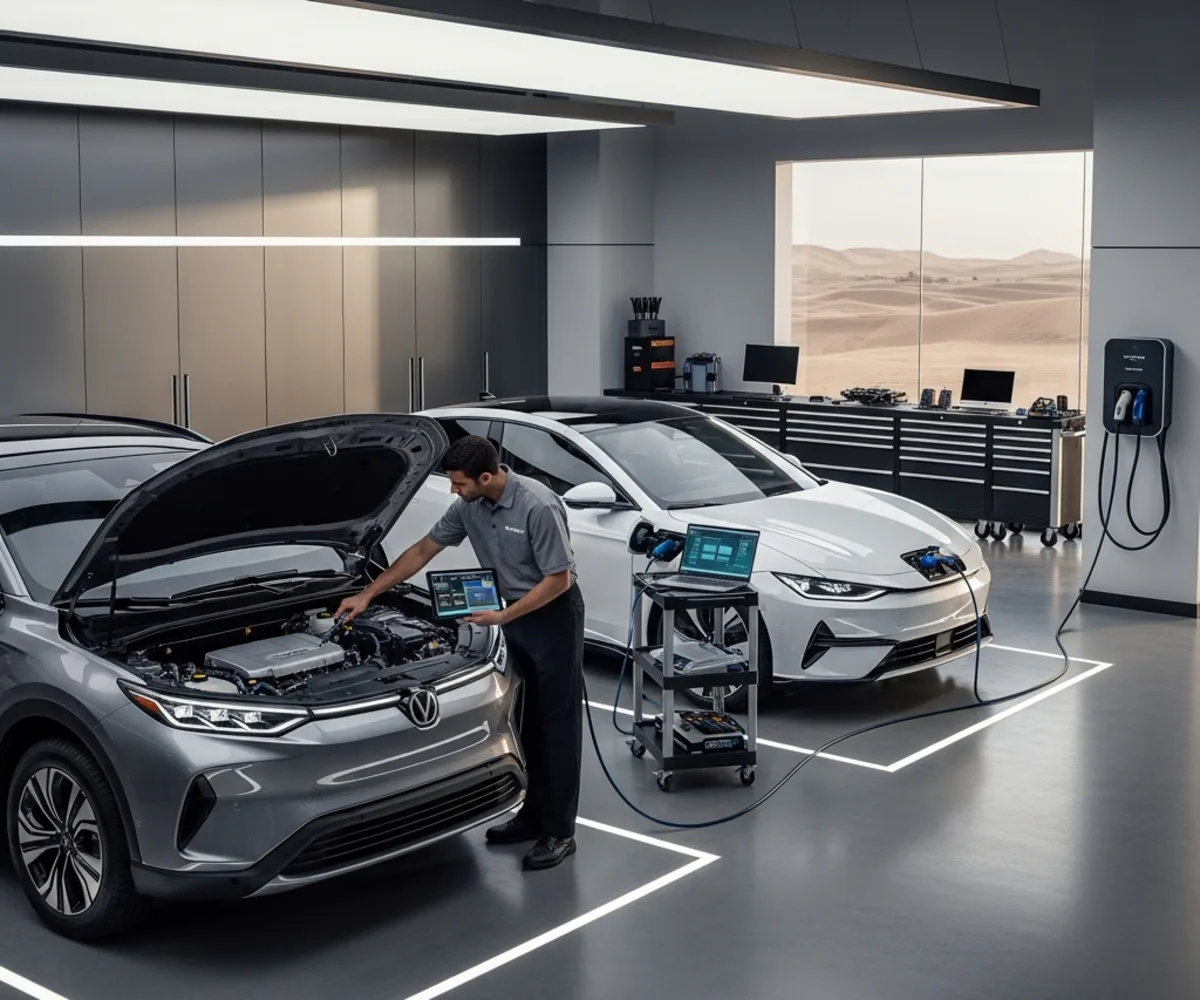
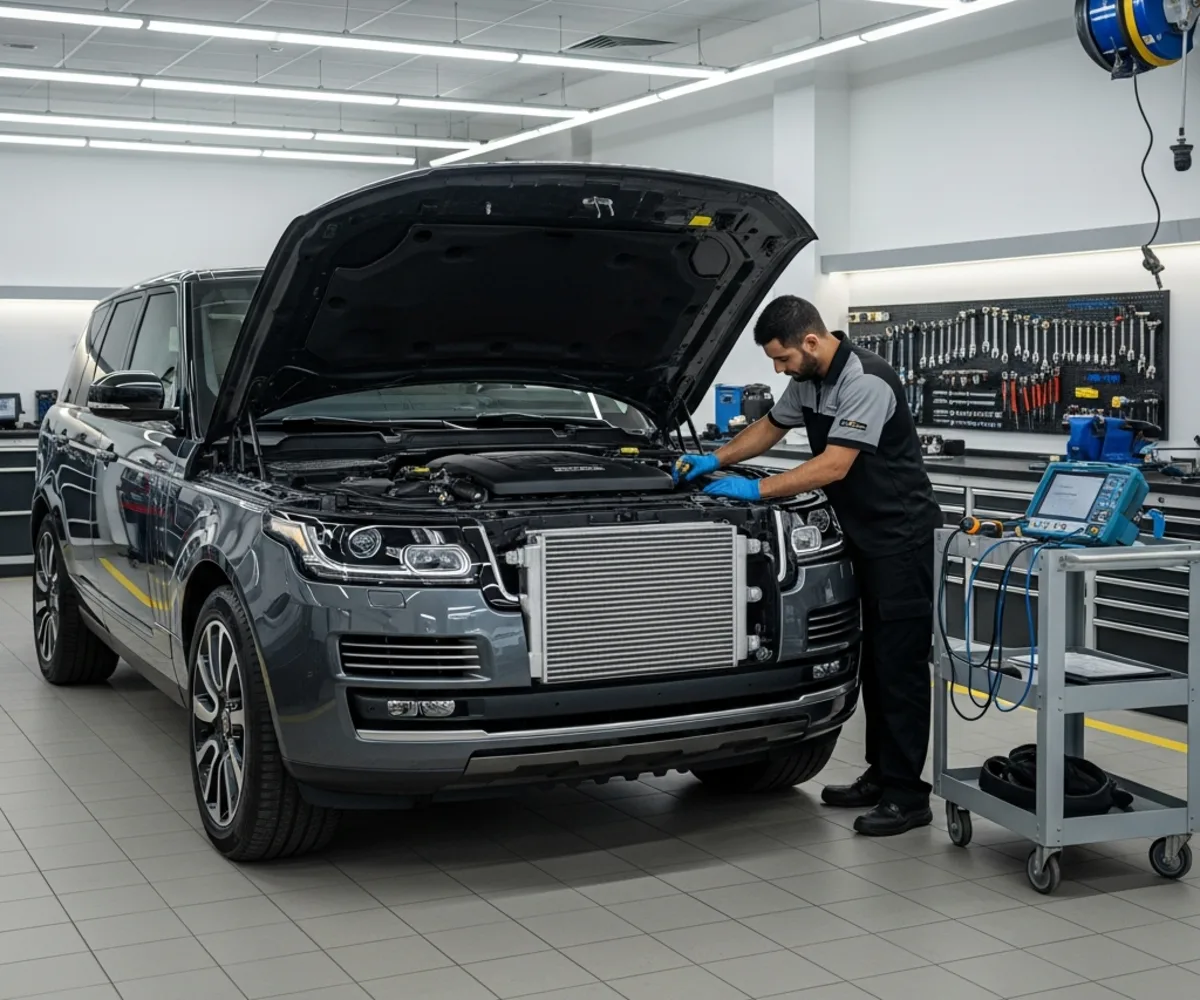
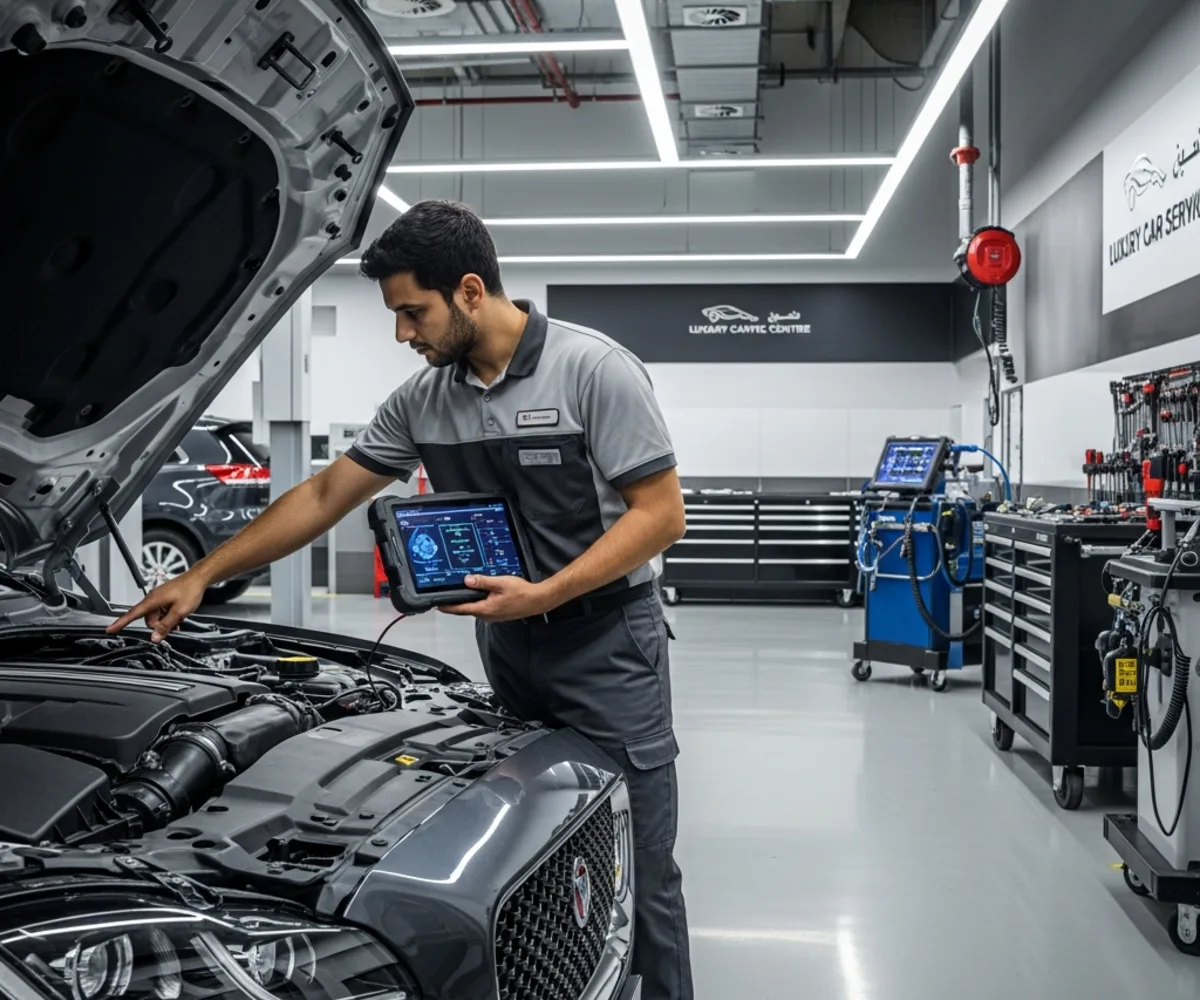
.webp)
A warning light used to mean one thing for most drivers. Book the car in, wait for a technician to plug in a scanner, and hope the answer is straightforward. That still happens, but the process is changing fast. Cars now produce far more data than older models, and the industry is starting to use that data far more intelligently. In the UAE, where heat, heavy daily use, and a broad mix of vehicle brands all put pressure on maintenance, that shift matters even more. Temperatures can push close to 50°C in summer, and that kind of heat is hard on batteries, cooling systems, tyres, sensors, and electronics.
Artificial intelligence is now moving car diagnostics away from guesswork and towards pattern recognition. It helps workshops spot faults earlier, helps manufacturers see trends across thousands of vehicles, and helps warranty teams sort genuine defects from one-off issues more quickly. What this means is that a fault can be identified faster, the right repair can be approved sooner, and the owner may spend less time stuck between the dealership, the insurer, and the manufacturer.
For drivers, the change is fairly simple. Fewer repeat visits. Better odds of fixing the actual problem the first time. Less back-and-forth when something should be covered under warranty. For dealers and manufacturers, it is about cost control and trust. Warranty costs in automotive are not small. McKinsey has noted that in advanced industries such as automotive, warranty costs average around 2 to 3 per cent of revenue and can climb as high as 5 per cent. IBM has separately estimated global auto manufacturer warranty claims at about AED 205.66 billion in 2018, with much larger reserves held against future costs.
When people hear “AI diagnostics”, it can sound more dramatic than it is. In most real workshop and manufacturer settings, it usually means software that looks at large amounts of vehicle data and compares what it sees against known patterns.
That data can include:
Here’s the thing. AI is not replacing a technician with a robot. It usually acts like a very large memory and pattern-matching system. It can scan thousands or millions of past cases and flag the most likely causes based on similar combinations of codes, conditions, mileage, climate, and repair outcomes. A skilled technician still has to inspect the car, test the theory, and carry out the repair properly.
One of the biggest shifts is that diagnostics no longer always start in the workshop. Connected vehicles can transmit health and usage data while they are still on the road. That means the first warning can be reviewed before the car even arrives.
Ford Pro, for example, promotes AI-backed fleet insights based on vehicle health, utilisation, and other connected data. That is aimed at fleets, but the principle is the same more broadly. Connected diagnostics can identify patterns in battery condition, engine alerts, or component wear and help operators act faster.
This can help if a business in Abu Dhabi or Dubai runs delivery vans, service vehicles, or corporate fleets where downtime is expensive. If one van breaks down unexpectedly, there is the repair cost, but also the lost job, the delayed route, and the operational mess that follows. Remote diagnostics lets the operator see a warning earlier and book service before the failure becomes more serious.
For private owners, the benefit is often convenience. A dealer may be able to pre-order the likely part, schedule the right technician, or advise whether the car is safe to keep driving. That can turn a vague “please leave the car with us, and we’ll see” conversation into a much clearer one.
Warranty claims have always had two big questions behind them. First, is the fault real and covered? Second, is this a one-off case or evidence of a wider issue?
AI helps on both sides.
At the claim level, it can compare the customer complaint, diagnostic codes, usage history, mileage, repair method, and past approved claims. That helps warranty teams spot cases that are clearly valid, cases that need more evidence, and cases that look unusual. The practical result is that straightforward claims can move faster, while questionable ones can be checked more carefully.
At the broader level, AI can identify clusters. If hundreds of vehicles show similar symptoms under similar conditions, the system may flag a possible defect long before people would have spotted the trend manually. IBM has pointed out that the growing share of software in vehicles is increasing software-related warranty claims year by year, which makes early detection of new failure patterns more important.
That matters because warranty costs are not just about paying for repairs. They also include claim handling, parts logistics, dealer labour, reserve planning, and brand damage if customers start losing confidence. IBM’s work on automotive warranty has suggested OEMs can spend roughly 2 per cent of annual revenue on claims alone, with total warranty-related costs closer to 3 per cent.
What this means is that a better warranty process is not only about saving money for the manufacturer. It can also lead to:
In the UAE, drivers often face a mix of conditions that make accurate diagnostics especially valuable. Extreme heat can stress cooling systems and electronics. Stop-start urban traffic increases thermal load. Sand and dust can affect filters, sensors, and moving parts. Long motorway trips between emirates add a different kind of wear. A premium SUV used mostly for school runs in Dubai Marina will age differently from a work pickup driving daily across industrial areas.
That is exactly the kind of complexity where AI can help, because it works better when it has context.
Suppose two cars show the same battery-related warning. In one case, the issue may be a battery nearing the end of its life after harsh heat exposure. In the other, the battery is fine but the real problem is a charging system fault or parasitic drain from a software or electrical issue. Traditional diagnostics may get there eventually, but pattern-based analysis can narrow the likely answer faster.
This also affects warranty discussions. Customers often get frustrated when they hear that a failed part is “wear and tear” rather than a warrantable defect. Sometimes that is correct. Sometimes it is a bit too convenient. Better data can make that decision fairer. If the same component is failing across the same model line at similar mileage and under similar operating conditions, that starts to look less like random wear and more like a product issue.
Dealerships and independent workshops do not benefit from AI just because it sounds modern. They benefit if it cuts wasted labour hours and improves first-time fix rates.
A workshop loses money when it spends hours tracing a fault, orders the wrong part, or has a vehicle come back with the same complaint. Customers lose patience quickly when a repair turns into three visits. AI systems can reduce that by helping technicians prioritise the most likely causes and by connecting local cases with wider repair intelligence.
For dealer groups, there is another advantage. AI can feed information both ways. It helps the frontline workshop diagnose the vehicle, but it also sends better data back to the manufacturer about what is actually failing in the field. That loop matters for future product changes, service bulletins, and warranty policy.
This is the area where confusion is most common, especially when a customer believes a failure should obviously be covered and the service centre disagrees.
No. Cars can report faults and connected systems can analyse patterns remotely, but proper diagnosis still usually needs inspection, testing, and human judgement.
Not automatically. It can make valid claims easier to evidence and process, but it can also help manufacturers identify claims that do not match known failure patterns.
No, but the best results tend to come from newer and more connected vehicles because they generate richer data. Older vehicles can still benefit if the workshop uses good diagnostic software and repair databases.
In many cases, yes. Harsh heat, long daily use, and mixed driving conditions make an accurate diagnosis more important. Small weaknesses can show up faster in this environment.
If you want, I can also give you a second version with an even cleaner CMS-ready hierarchy, for example using only one H1, H2s for sections, and H3s for FAQs/subsections.