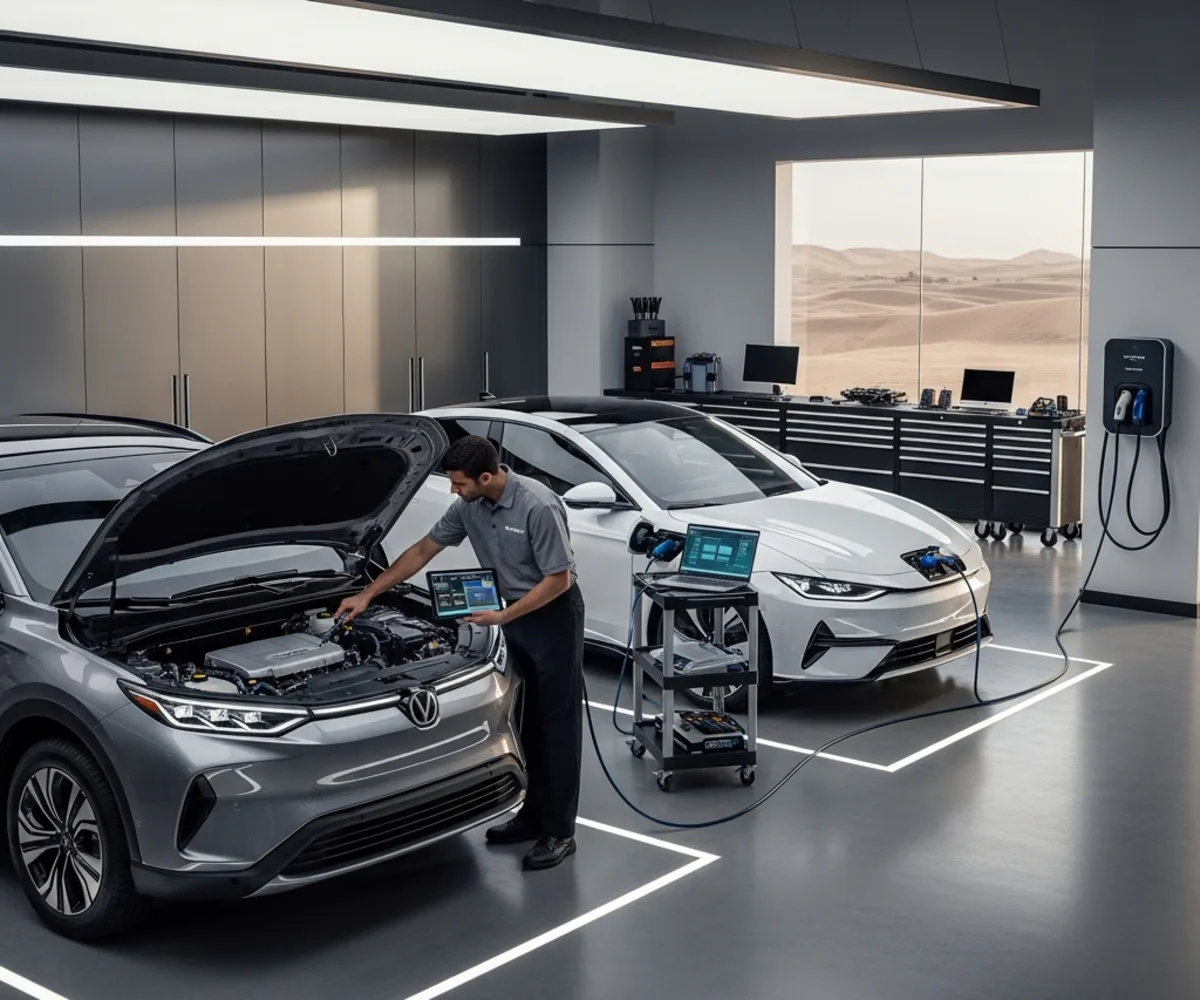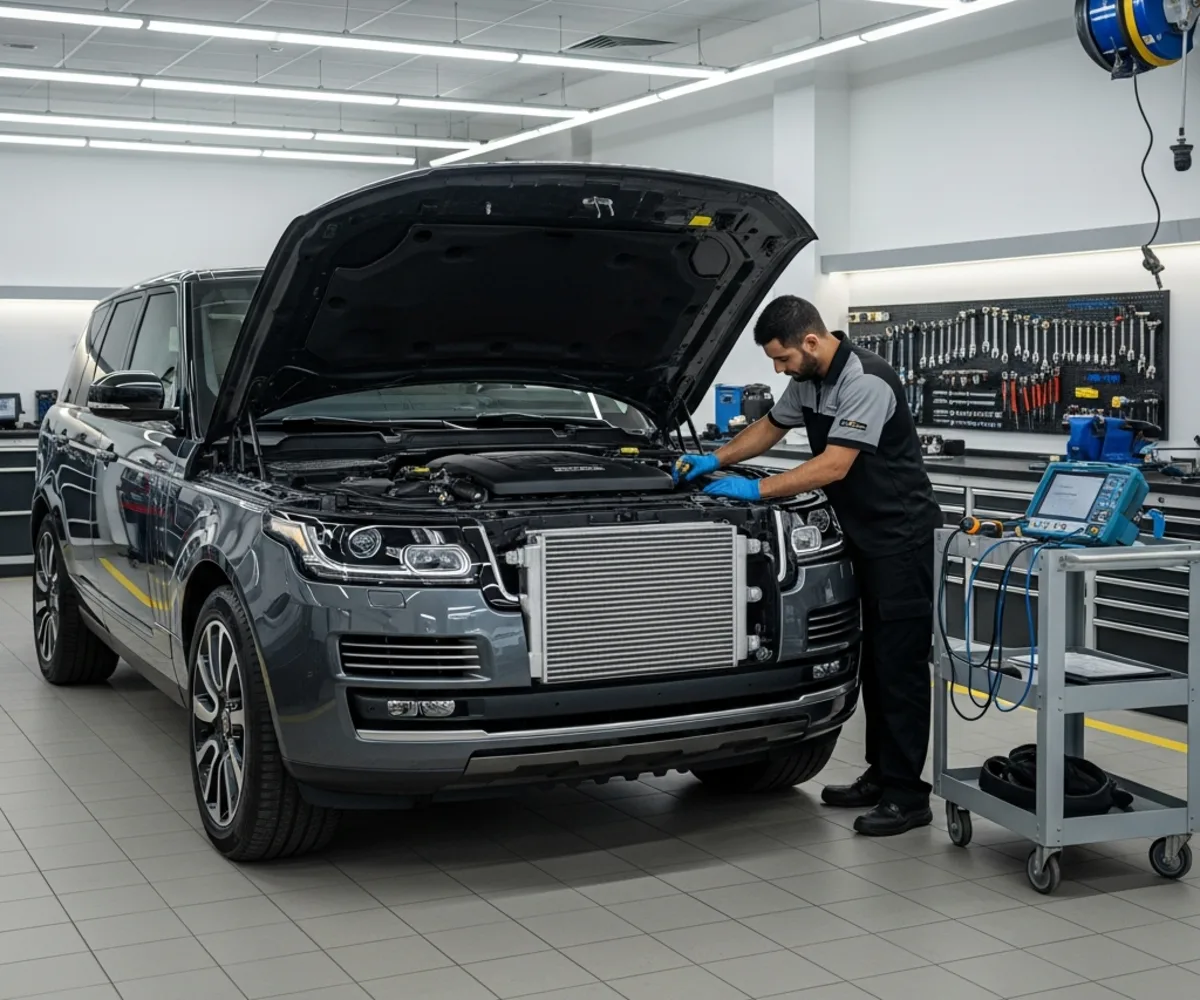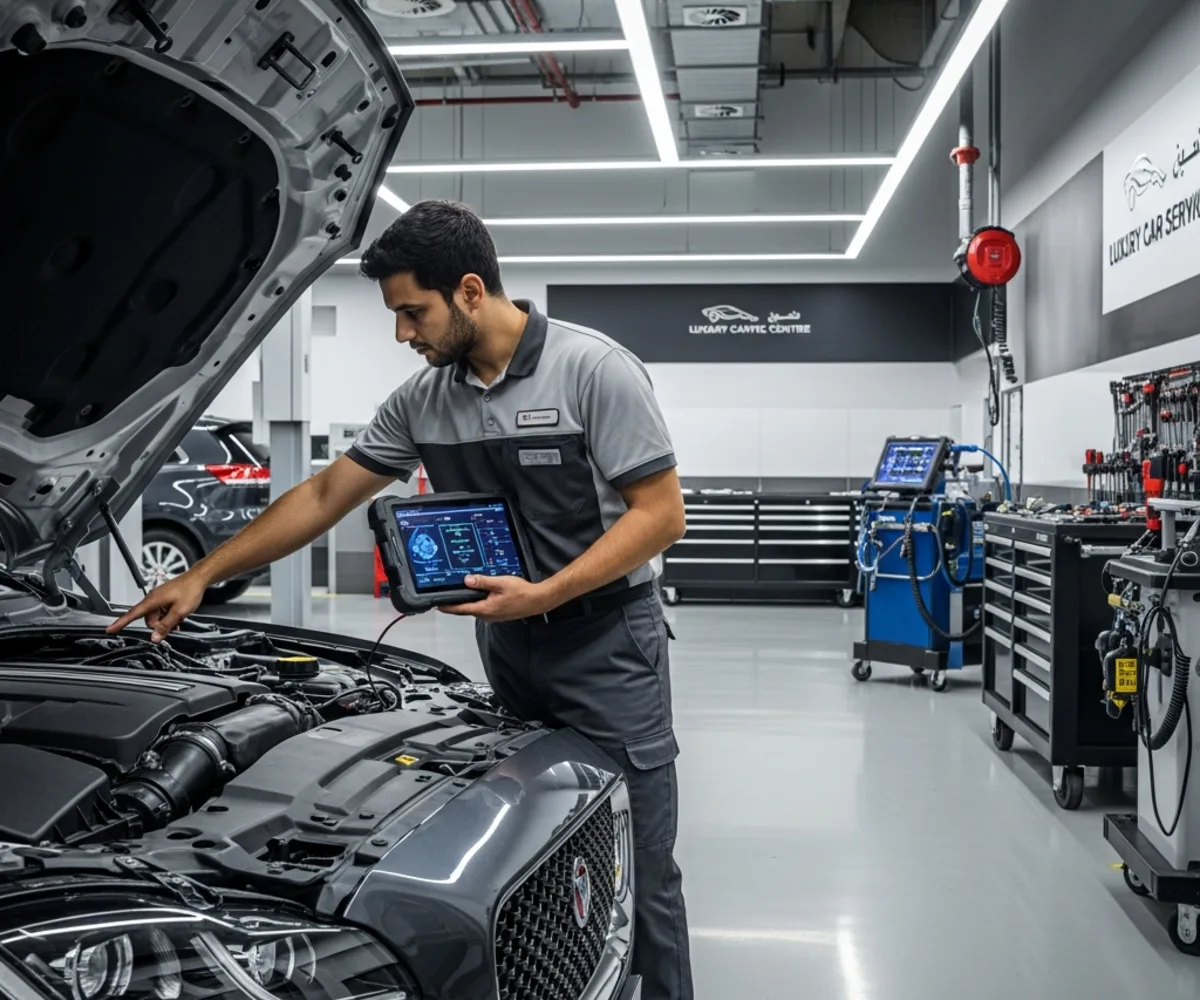
When people talk about a powertrain warranty, they are talking about the parts that make the car move. In simple terms, the powertrain is the engine, the transmission and the parts that send power to the wheels. A typical powertrain warranty focuses on these major systems because they are the most expensive to fix if something goes wrong.
Different brands define the list slightly differently, but the idea is the same. The warranty is supposed to protect you from serious mechanical failures, not from small items or cosmetic problems.
Most powertrain warranties are very clear about which parts are included. The goal is to cover big internal components that are not supposed to fail under normal use and proper maintenance. If a covered part fails due to a defect, the warranty normally pays for parts and labour.
Typical covered areas include:
This does not mean every part under the bonnet is covered. The contract usually lists what is in and what is out, so reading it line by line is important.
A powertrain warranty is not a full car warranty. Many items are excluded even if they are close to the powertrain. These exclusions are quite similar across brands and third party providers.
Common exclusions include:
In short, if the failure is caused by abuse, lack of maintenance or something external, it is usually not covered. The powertrain warranty is there for genuine failures of covered components, not for everything that happens to the car.
Many manufacturers offer longer protection on the powertrain than on the rest of the car. In global markets, it is common to see five years or around 100,000 km coverage on the powertrain, while bumper to bumper coverage is shorter.
In the UAE market, typical patterns look like this:
The key point is that the powertrain warranty is usually the last layer of coverage to expire, so it is the backbone of long term protection.
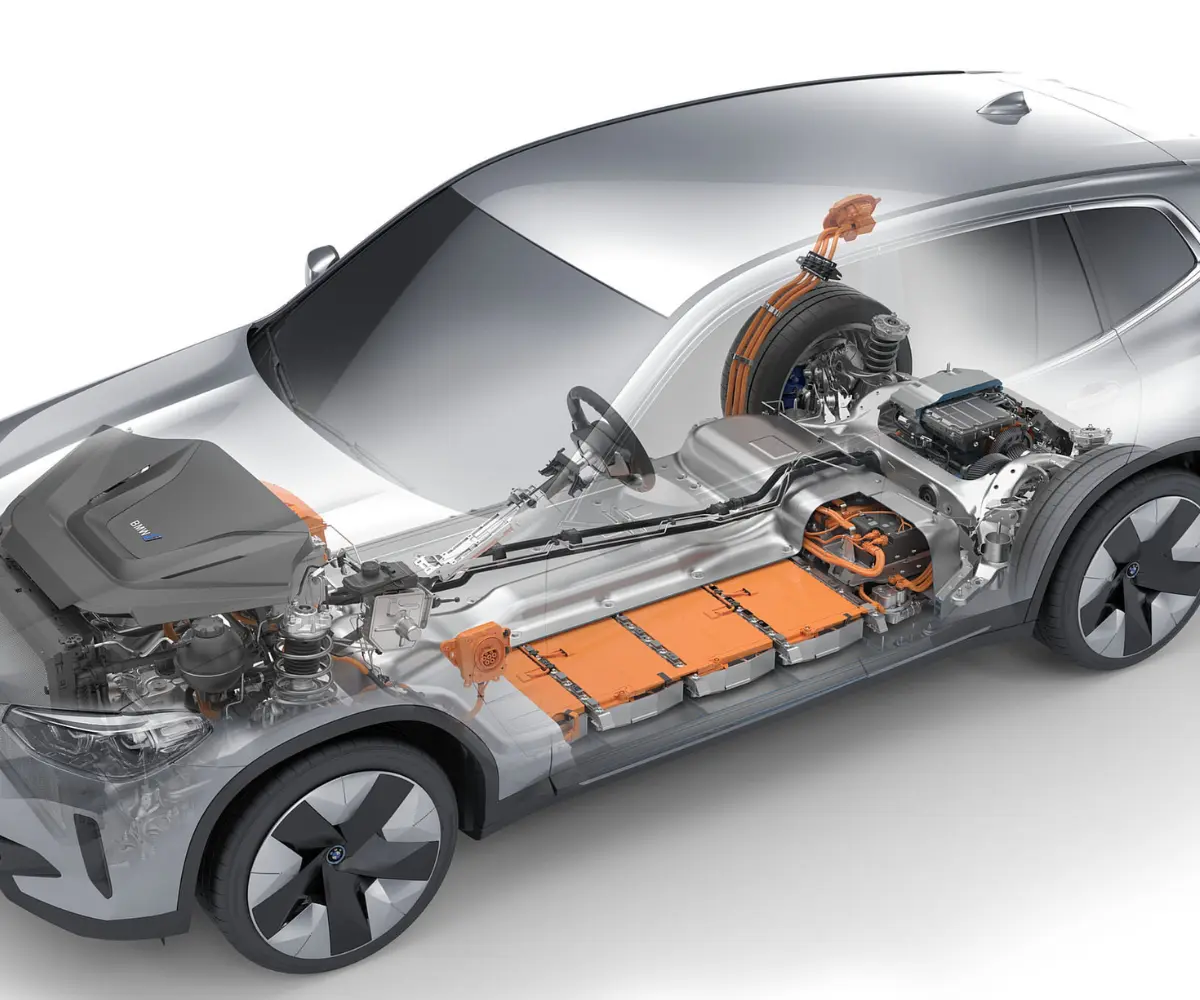
For hybrid and electric vehicles, the line between powertrain and other systems is more complex. Many manufacturers treat the electric motor and related drive parts as part of the powertrain, but the high voltage battery often has its own separate warranty with different years and mileage. Battery coverage can be eight years or more in some cases.
Third party providers may:
If you drive an EV or hybrid in the UAE, reading the policy for battery and high voltage systems is essential. The term “powertrain” alone does not guarantee battery protection.
Most cars start with a manufacturer powertrain warranty. When that period is close to ending, some owners choose an extended plan from the dealer or a third party provider. These plans can:
At GE Warranty, powertrain coverage is one of the core elements of many plans. The focus is on protecting the engine, transmission and drive systems, because those failures are often the most expensive repair bills an owner will face over the life of the car.
A powertrain warranty makes the most sense when:
It is less useful for short term ownership or very low value cars where a single major repair might still be cheaper than the cost of coverage. The decision should always be based on the real risk and the actual price of the plan.
If you want a structured way to protect your engine and gearbox instead of hoping nothing breaks, you can look at powertrain focused warranty plans from GE Warranty and match them with how you actually drive in the UAE.