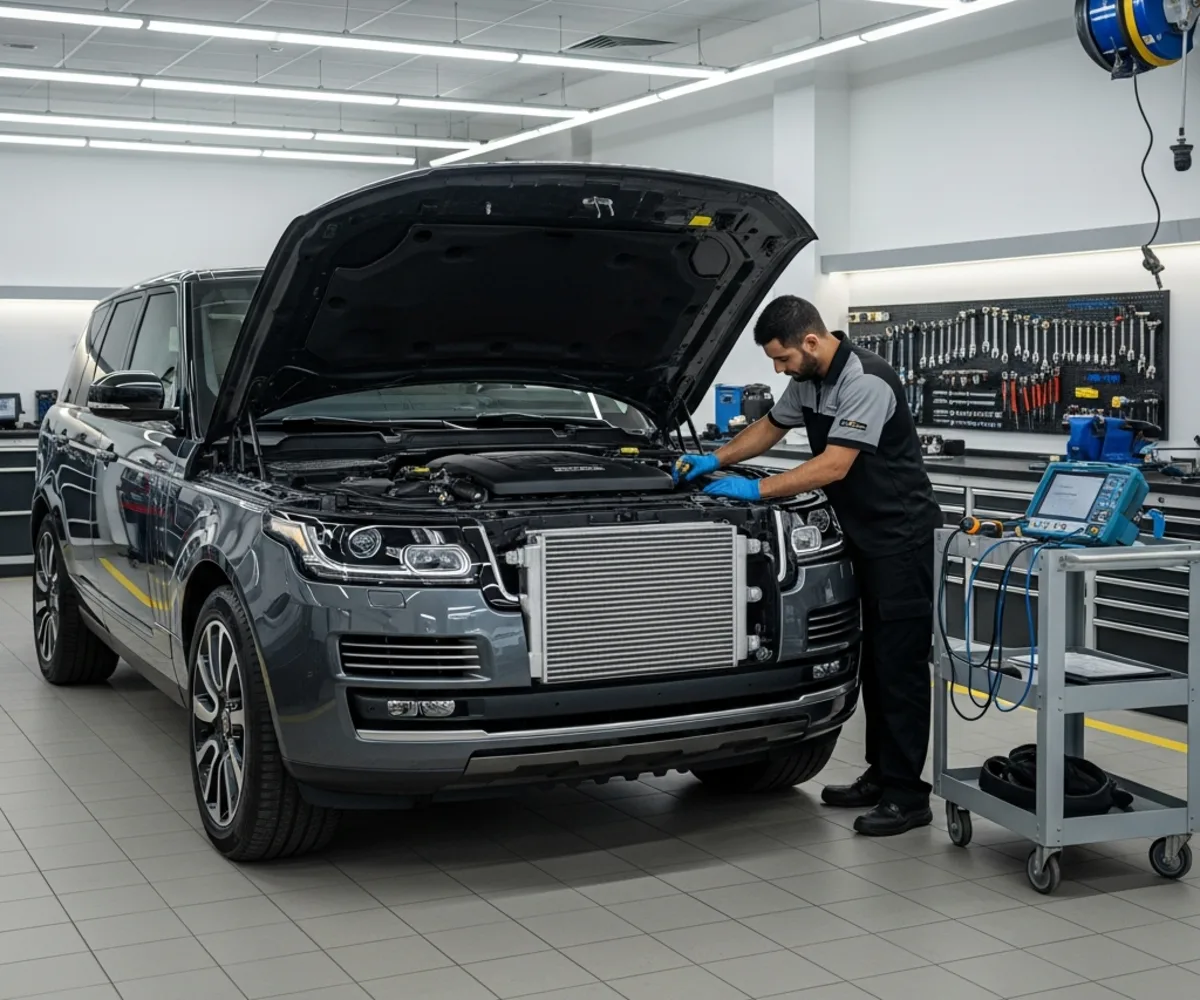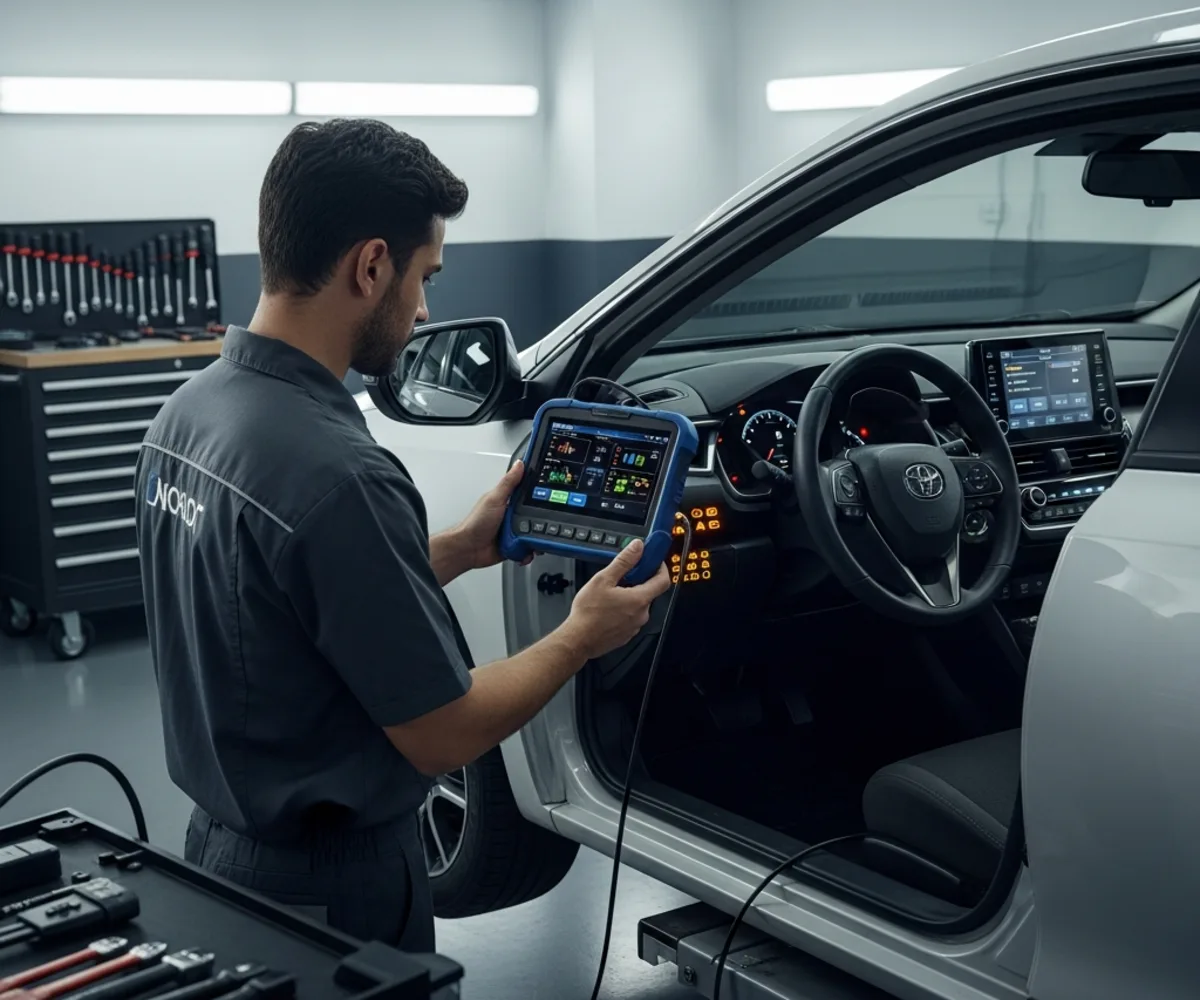
Modern cars in the UAE are more dependent on software and sophisticated electronics than ever before. From advanced driver assistance to infotainment, sensors and control modules now manage everything from engine performance to steering and climate control. Yet, as vehicle technology has evolved, so have the complexities and limitations of warranty coverage. Many UAE car owners believe that any electronic or software glitch is automatically covered under warranty, but the fine print often tells a different story. If you own a new, used, or imported car in the UAE, understanding what your vehicle’s warranty actually covers, and what’s excluded, can make the difference between a covered repair and an unexpected bill. This blog will clarify common exclusions related to software failures, sensors, and control modules. We’ll explain the tricky wording to watch for, typical dealer practices, and the key questions to ask before approving costly electronic repairs.
UAE car warranties will almost always cover manufacturing defects in major control modules, factory-installed sensors, and onboard computers during the coverage period. That means if your vehicle’s engine control module (ECM), transmission control unit (TCU), or a critical safety sensor fails due to a factory fault, the part itself is likely covered, provided the issue arose within your plan’s duration, mileage, and maintenance requirements.
Warranty coverage for electronics hinges on the cause of failure. Defects in materials or workmanship, such as a control module that malfunctions because of an internal electronic failure, are typically covered. Failures due to wear, water ingress, incorrect installation, or damage from accidents and modifications, however, are commonly excluded. Many UAE providers explicitly separate “defects” from “damage” or “wear and tear” in their policy language.
It is crucial to know that covering the part does not always mean covering the whole repair process. While a malfunctioning sensor or module may be replaced under warranty, the diagnostic testing that led to detecting the issue, and the calibration or reprogramming after replacement, may not be included. This distinction catches many drivers off guard, especially when faced with warning lights on the dashboard and the need for specialist electronic diagnostics.
Not every sensor or module issue qualifies for warranty cover. Here are several electronic-related exclusions to look out for when reviewing warranty terms in the UAE:
Watch for wording like “diagnosis, consumables, adjustment, or programming not covered except when required by manufacturer defect.” These carve-outs are common among major UAE warranty providers.
Diagnostics and calibration are essential for modern vehicles, yet many warranties treat them as separate chargeable items, not part of standard repair coverage.
When a warning light appears, a professional diagnostic scan is usually required to pinpoint the cause. Most UAE dealerships or independent workshops charge separately for performing these scans and interpreting system data, often as an upfront fee. Warranties may only cover the cost if an actual covered repair results, and even then, only for specific repairs tied directly to manufacturer faults.
After certain sensors and modules, like radar, camera, or transmission units, are replaced, calibration or coding with dealer-grade tools is mandatory. Most extended warranties exclude the cost of this calibration, even if the initial failure was covered. This can be a surprise, as recalibration is not optional on many late-model cars with ADAS or electronic steering.
Not every failure in a sensor or control unit is the result of a defect. Warranties in the UAE often limit coverage for electronic items when issues can be traced to wear, damage, or unauthorised modifications.
Car software is now as important as hardware. Yet, coverage for software-related faults and infotainment issues is a grey area in many UAE policies.
For both new and extended warranties, check whether the provider distinguishes between safety-critical control modules and convenience or entertainment systems. Many UAE plans have tighter limits on coverage for the latter.
Reading the fine print before attempting a warranty claim is essential. Pay attention to how your warranty booklet defines:
Before you agree to electronic repairs on a potentially warranty-eligible fault, ask the service provider:
Getting clear written answers can reduce disputes and help you make informed decisions before unexpected electronic faults lead to large repair bills.
Modern cars bring comfort, innovation, and safer driving to UAE roads, but the rise in complex electronics can mean greater risk of costly repairs when things go wrong. Warranty coverage for software failures, sensors, and control modules is highly specific, shaped by the cause of failure, how the policy defines terms, and the way diagnostics and calibration are treated. Before making a claim or authorising any electronic fix, take time to review your warranty details, ask pointed questions, and clarify where you may face out-of-pocket costs. A careful review today can help avoid surprises at the workshop tomorrow, and ensure you get the protection you expect from your vehicle warranty, no matter how advanced your car becomes.