Turbocharger failures can be sudden, expensive, and deeply frustrating, especially when you expect warranty coverage to step in. But a failed turbo is not an automatic green light for a warranty claim in the UAE. Vehicle owners are often surprised to learn that approval depends as much on the cause of failure, service history, and even driving habits as on the part itself. What exactly do inspectors look for before they give the go-ahead for a turbo replacement under warranty? This article takes you behind the scenes of the inspection process, unpacking the main reasons why some claims win approval while others are rejected. Whether you own a daily driver, a high-performance car, or a recently imported vehicle, understanding these checks can help you prepare a much stronger claim before you risk an expensive rejection.
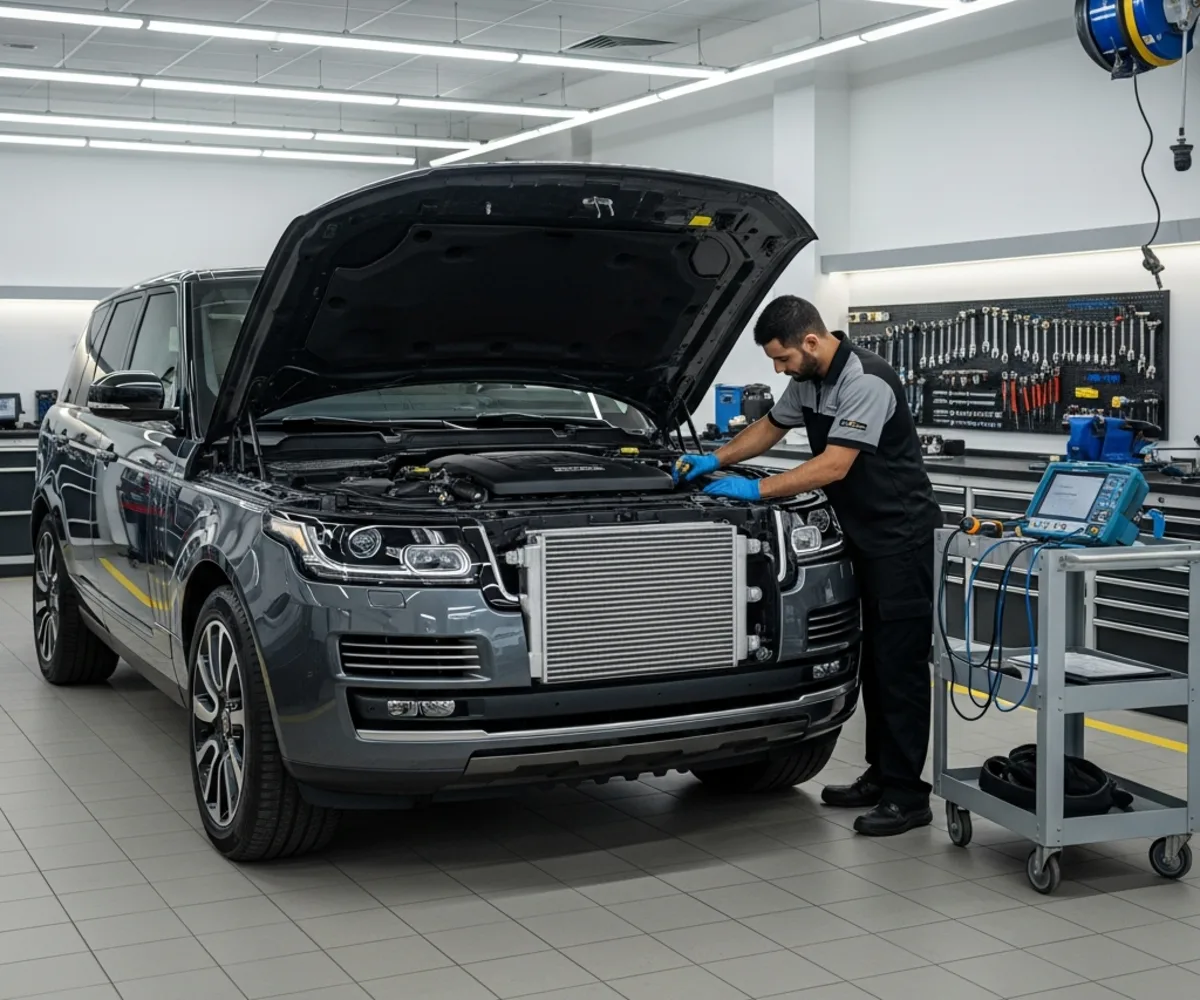
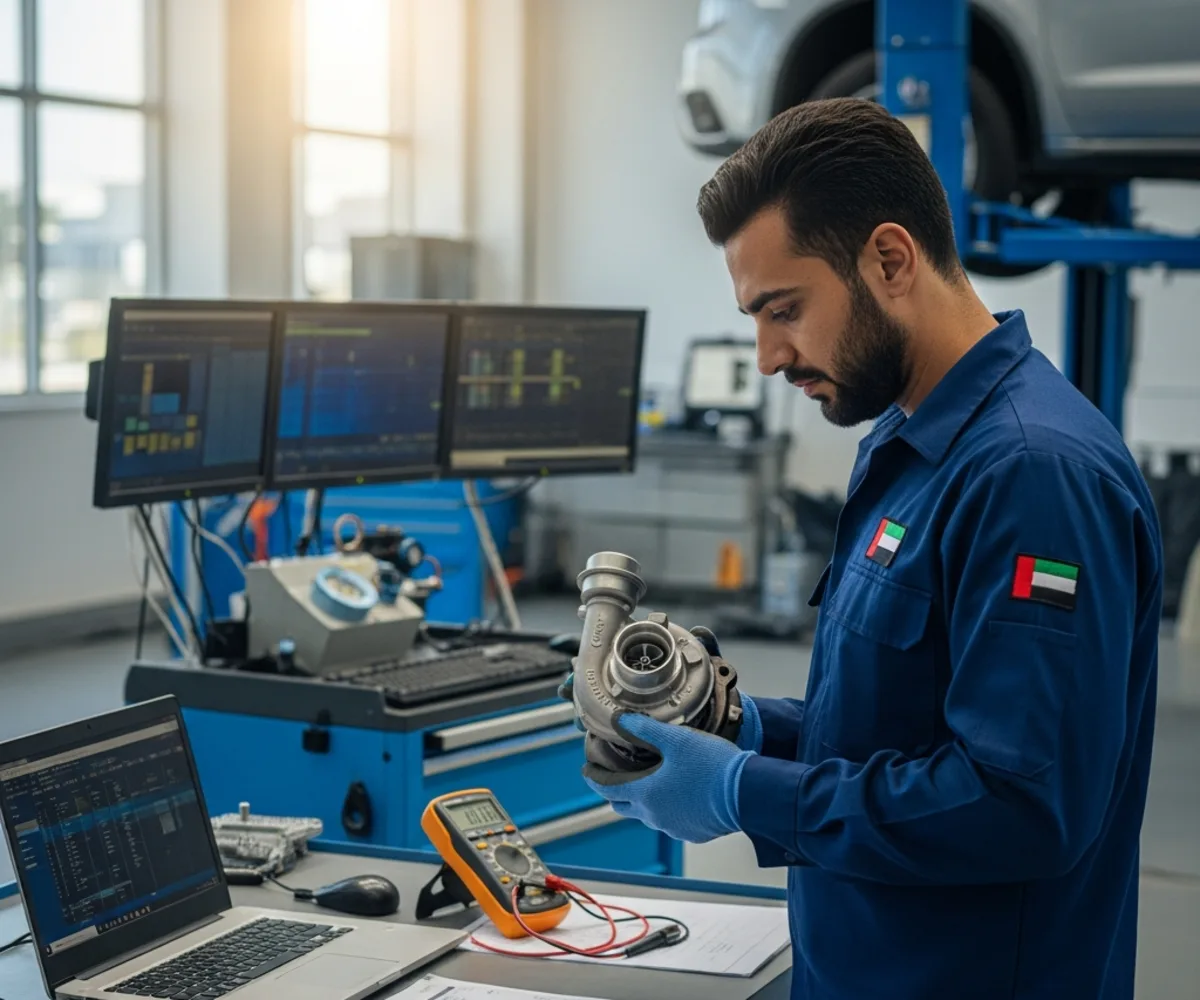
The moment a warranty claim is logged for turbocharger failure, trained inspectors step in with one core aim: to find out not just that the turbo failed, but *why* it did. It sounds simple, but this root-cause analysis shapes every decision about warranty approval in the UAE. Here’s what inspectors look for, usually in this order:
Just finding a broken turbo is not enough to win your claim. Inspectors must be confident that the failure was due to a defect or covered risk,*not* neglect, misuse, or unauthorised changes. If there’s any doubt that lack of maintenance or a modification caused the problem, they will dig deeper before approving a replacement.
Most turbochargers in the UAE fail for reasons outside the unit itself: poor lubrication, overheating, or external faults like boost leaks or blocked filters. Inspectors are trained to spot tell-tale signs of these issues: a seized turbine shaft from oil starvation, coked oil lines, burnt housing, or contaminated intake paths. Discovering these is often enough to shift the blame from ‘defect’ to ‘neglect’ or ‘external cause,’ leading to claim rejection.
Owners can support their case by presenting:
Turbochargers spin at immense speeds and endure blistering heat. Without a constant supply of clean oil, they can seize, overheat, or wear out rapidly. That’s why oil starvation is the first thing many inspectors check, and the most common reason for claim rejection.
When oil hasn’t reached the turbo as it should, inspectors may find:
Inspection often includes a close look at workshop records. Skipped oil changes, use of the wrong oil grade, or evidence of sludge can all lead to a claim being denied. Modern vehicles, especially those with turbos, usually require high-spec oils and strict intervals, any deviation gives inspectors a reason to question the claim.
Dirty oil or the wrong grade may not be obvious without analysis, but a lack of documentation or an oil filter that’s clearly overdue replacement can sway a claim decision quickly. In some cases, workshops may even send samples for analysis, looking for dirt, coolant or fuel in the oil.
Turbochargers don’t work alone, they rely on interconnected intake, exhaust, and intercooler systems. When supporting components develop faults, the turbo often suffers. Inspectors are trained to check the whole system, not just the turbo unit.
A boost leak occurs when pressurised air escapes before reaching the engine, causing the turbo to work harder or run inefficiently. Inspectors check:
Overheating can warp, crack, or destroy turbo parts. High under-bonnet temperatures may result from blocked intercoolers, repeated hard driving, or cooling system neglect. Inspectors look for burnt housing, heat stains, or carbon build-up, a clue the turbo has cooked itself due to factors outside a covered defect.
If a blocked air filter, failed wastegate, or leaking exhaust gasket is found, inspectors may report that the turbo damage was secondary, not the original fault. This frequently leads to claim rejection. Inspectors may also suggest fixing these system faults first, as replacing the turbo won’t solve the underlying issue.
When a turbo fails, inspectors usually insist on seeing:
Service gaps or missing paperwork often give warranty administrators grounds to deny a claim. Many service contracts in the UAE require strict adherence to maintenance schedules; missing one interval can be enough to void coverage for turbo failure.
Undocumented repairs or unofficial workshop jobs can seriously weaken a claim. Even if repairs were done well, lack of paperwork makes it hard for inspectors to trust the maintenance history, a risk most are not willing to cover.
The UAE’s car culture is vibrant, and modifications are common. But from a warranty perspective, aftermarket changes can spell trouble for turbo claims.
Performance modifications, software re-mapping (ECU tuning), aftermarket intakes, or larger exhausts all increase turbo load and heat. Inspectors look for any evidence of these changes, as they may be outside the manufacturer’s (or third-party warranty) scope of coverage.
If modifications are present, inspectors may:
It’s not an automatic rejection, but it raises the bar for proof: the more modifications, the harder it is to claim the failure was due to a covered defect.
If mods are purely cosmetic or unrelated to the turbo (for example, custom interior trim), they typically don’t affect claims. Likewise, minor bolt-ons may be overlooked if there is clear evidence the failure was not caused by performance upgrades. But where doubt exists, expect close scrutiny.
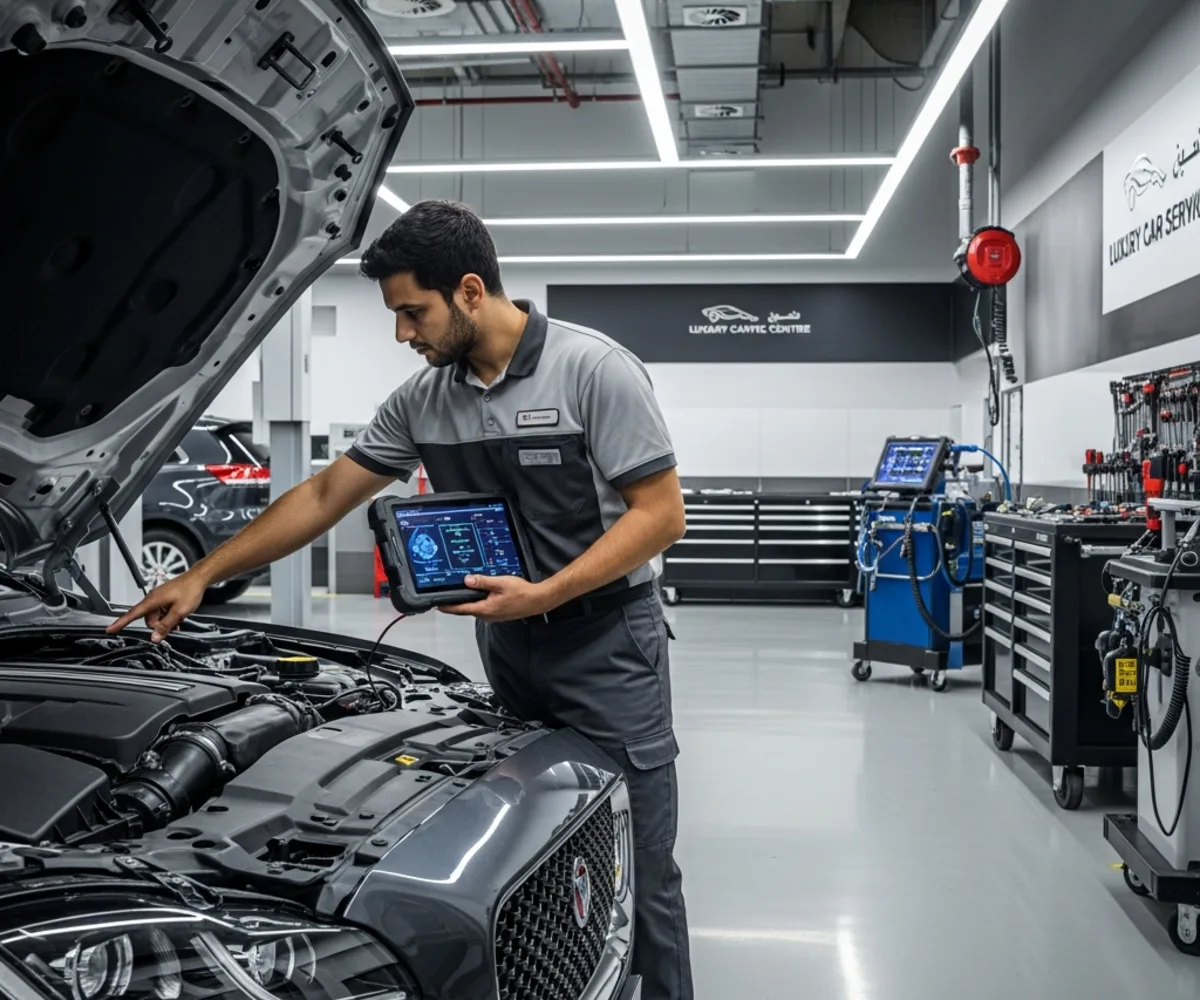
Modern vehicles store masses of diagnostic data that inspectors use to piece together what happened before and during turbo failure.
A lit ‘check engine’ light, stored overboost codes, or historical records of engine overheating can all influence a claim decision. Inspectors often scan for:
Some manufacturers’ systems allow inspectors to read logs of driving events, sudden overboost, excess temperatures, or aggressive throttle inputs. If these support a theory of hard use or neglect, they can be used to reject a claim, especially if the behaviour is repeated over time.
Owners may be asked about recent driving conditions, such as high-speed runs, heavy towing, or repeated stop-start journeys. While not always decisive, honest answers paired with diagnostic data help complete the picture.
At the end of an inspection, the inspector’s central task is to decide whether the failure was due to a manufacturing or material defect (which is covered), normal wear (which usually isn’t), or neglect/misuse (which never is).
Approved claims usually involve:
Rejected claims usually relate to:
Owners can improve their odds by:
Turbocharger claims in the UAE demand far more than a simple report of failure. Inspectors rely on a careful, methodical assessment of service history, supporting system health, modifications, and usage patterns before making a call. While this may feel tough, it protects both warranty providers and honest owners from unnecessary costs and repeated failures. For vehicle owners, the key is preparation: stay on top of maintenance, document everything, and work with reputable workshops to avoid the most common pitfalls. With a proactive approach, your chances of a successful claim, and of keeping costly turbo failures at bay ,are far higher.