Unexpected car repairs are never welcome, but lately, many UAE vehicle owners have noticed something even more troubling: repair bills have become much less predictable, and often much higher. War related disruptions across global supply chains have made it harder and more expensive to source spare parts, leaving both drivers and workshops to cope with delays and shocks in pricing. If you’re wondering whether an extended vehicle warranty is now more valuable, you’re not alone. Many UAE drivers are reassessing their protection amid these turbulent repair conditions. This article explores why recent supply disruptions have pushed up repair costs across the UAE, which expenses spike first, and why extended warranties can help shield owners from unpredictable new risks. We'll also look at what to check before you buy warranty cover, which car owners stand to benefit most, and how to compare available plans with repair bills on the rise.
Major conflicts and tensions in the region have slowed down shipping lanes and made air freight more expensive, directly affecting the flow of auto parts into the UAE. While the country’s sprawling port network and proactive logistics sector shield drivers from some global shocks, a backup at source, or a risk premium tacked onto freight through conflict zones, inevitably pushes costs up for everyone.
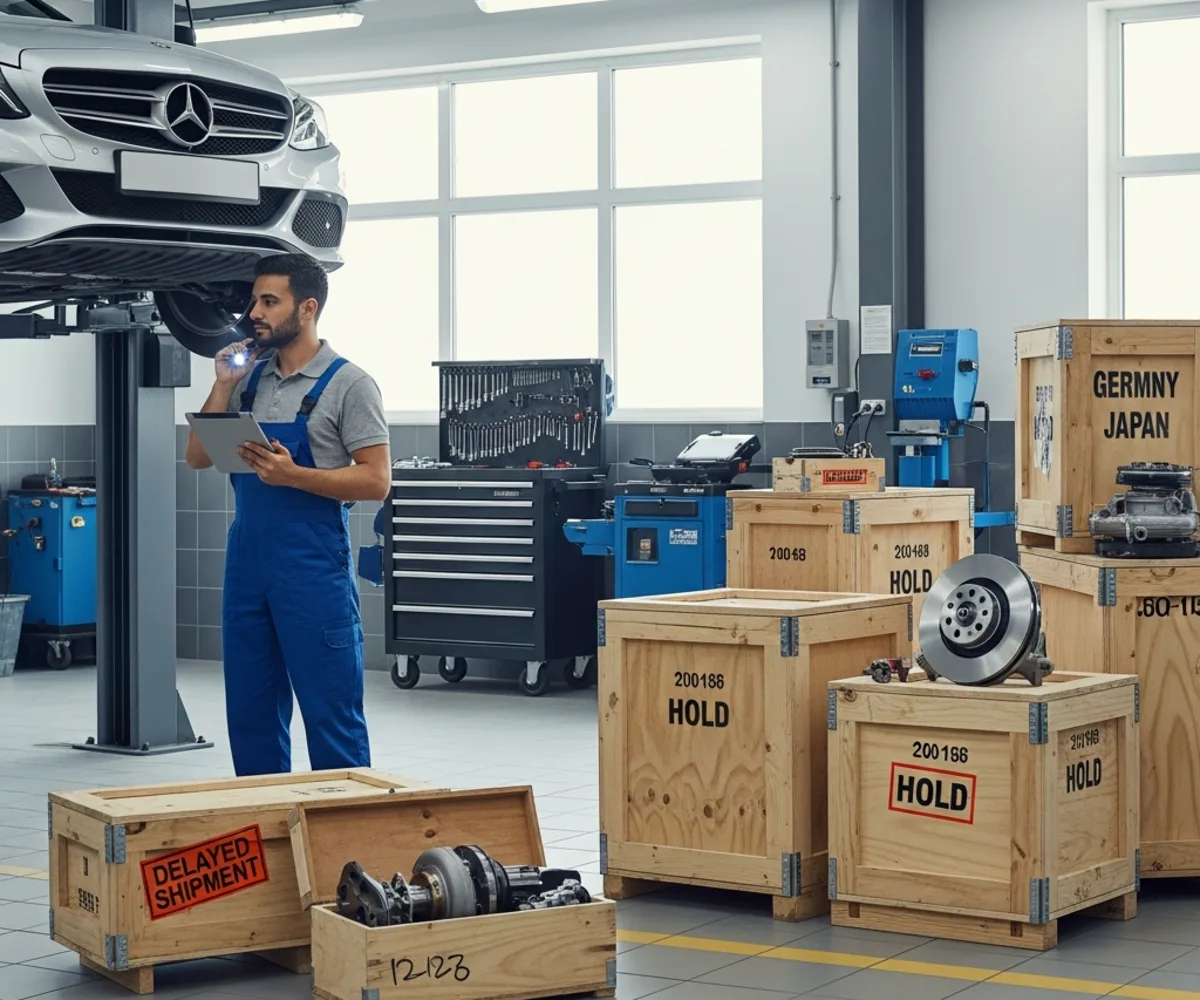
Regional conflict often first hits shipping routes and air cargo, which are vital for bringing spare parts into the UAE from Europe, Asia, and beyond. When freight is delayed, every day a replacement part is held up means a vehicle sits idle in a workshop. This affects everyone, but especially owners of less common brands, hybrids, electrics, and imported models reliant on international parts.
Imported car parts now cost more for several reasons. Delays drive up logistics fees. Distributors are forced to pay premiums to get parts fast-tracked. Currency volatility can raise costs further. Local suppliers, facing backorders, may increase retail prices, sometimes significantly, until stocks recover. For owners, this means what used to be an affordable repair can suddenly become a major expense.
Delays don’t just mean waiting longer for repairs. They amplify other costs:
If a repair drags out, all of these can add up, especially if your insurance or basic warranty doesn’t cover the downtime.
The biggest price hikes usually show up where parts are most complex or expensive to source, think engines, transmissions, suspension modules, and electronics. But it’s not just about parts: labour, storage, and even the cost of towing or diagnostics can climb during a period of disruption.
Critical components like engines, hybrid batteries, transmissions, and ECUs (engine control units) are heavily reliant on imported stock. Any shortage or price shock is quickly passed on. Even smaller items, like sensors or infotainment modules, may see double-digit price increases while shortages persist. For owners of high-tech or luxury models, the risk is even greater given the specialised nature of many parts.
When technicians have to repeatedly diagnose issues, track down hard-to-find parts, or perform additional work because a substitute part arrives instead of the ideal one, labour fees can jump. Longer repairs also mean you’re charged more for the extra hours or visits required. In the UAE’s busy workshops, these costs can rival parts pricing, especially for sophisticated vehicles.
When your car’s off the road for weeks due to parts delays, you may face storage charges, further towing (if repairs stall in stages), and the need for a rental car or taxi budget. For drivers, these hidden costs are often the biggest shock, particularly if no insurance or basic cover applies while you wait.
Amid rising and unpredictable costs, an extended warranty acts as a safety net. Instead of facing the full brunt of price hikes on parts, labour, and related expenses, warranty holders can shift much of the risk back to the provider, within plan limits.
Most quality extended warranties in the UAE cover essential mechanical and electrical components, engine, transmission, drivetrain, and core electronics. When a covered item fails, the warranty pays for parts and labour up to the plan’s limit, regardless of recent price surges. This means you’re insulated from the worst of cost volatility, provided the repair is within your policy’s scope.
Fixed plan limits and set coverage terms can matter more when prices swing wildly. If you locked in your warranty before a spike, your costs remain stable, even if the market rate for a replacement gearbox has doubled.
Warranty providers often have established sourcing channels and relationships with workshops. In times of shortage, they may be able to secure parts more efficiently, reducing your wait and paperwork. They also handle much of the negotiation and claim processing, lowering the admin stress for car owners at a difficult time.
Not all warranties are equal, especially now. Before relying on one to control repair risk, examine what’s actually covered and where gaps might leave you exposed.
Warranties are most valuable when repair risk and uncertainty are highest. In a period of volatile parts supply and rising bills, the following car owners are likely to see the biggest benefit:
With big differences between policies, comparing plans is more important now than ever. Here’s what to ask and check before committing:
Beware of plans that look cheap upfront but come with low claim caps, many exclusions, or a high burden of paperwork for each claim. During periods of unstable repair pricing, strong plan terms matter more than ever.
While no warranty is a cure-all, extended cover has become a more compelling safeguard for UAE car owners facing volatile repair costs, especially with today’s supply risks. The right policy can prevent a shortfall in coverage when you need it most and make it easier to manage repair expenses that no driver can predict in advance. If your vehicle’s at higher risk due to age, usage, or imported status, looking beyond the headline price, and focusing on real world claim terms and limits, will help you secure genuine protection when it’s needed most.