Buying a new car is often as much about peace of mind as it is about spec sheets and test drives. For UAE drivers looking ahead to 2026, the next batch of arrivals won’t just compete on style and performance,they’ll challenge assumptions about long-term reliability, repair costs, and what it means to own a car in a rapidly changing market. Extended warranty planning is becoming as important as price or features, especially with more hybrids, EVs, and electronics-laden SUVs entering the showrooms. In this guide, we’ll look at the major 2026 UAE launches, unpick which new models truly need extra warranty attention, and explain the factors, technical and local, that change the risk profile of ownership beyond the initial years.
Not all new cars face the same risks once the factory warranty runs out. Some 2026 arrivals pack advanced technology, hybrid or electric systems, or imported components that can send repair costs soaring. Others keep things simpler and have reputations for rock-solid reliability, especially when backed by strong dealer networks in the UAE. Highest-priority models for warranty planning include:
Medium-risk models include cars with some extra tech, turbo engines, or limited but growing service networks:
These crossovers and SUVs rely more on conventional petrol engines but often include new turbocharged setups or additional safety electronics. Lower-priority models are those with established reputations, simple drivetrains, stronger parts availability, or less reliance on costly electronics. However, even these can vary by how you drive and where they are serviced.
A car’s risk profile after the original warranty ends depends on more than brand alone. Several factors, especially in the UAE’s environment, can tip repair costs from manageable to daunting.
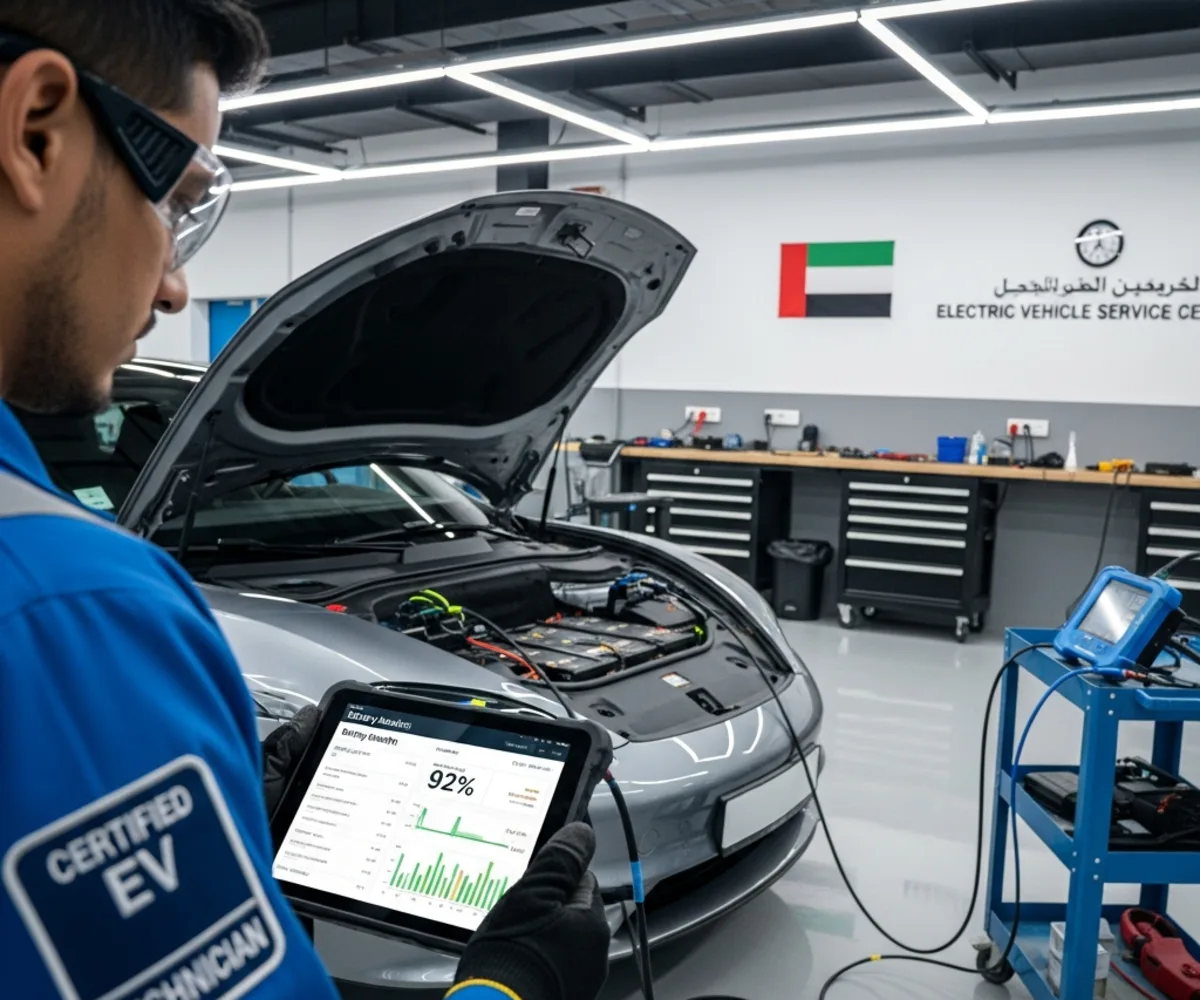
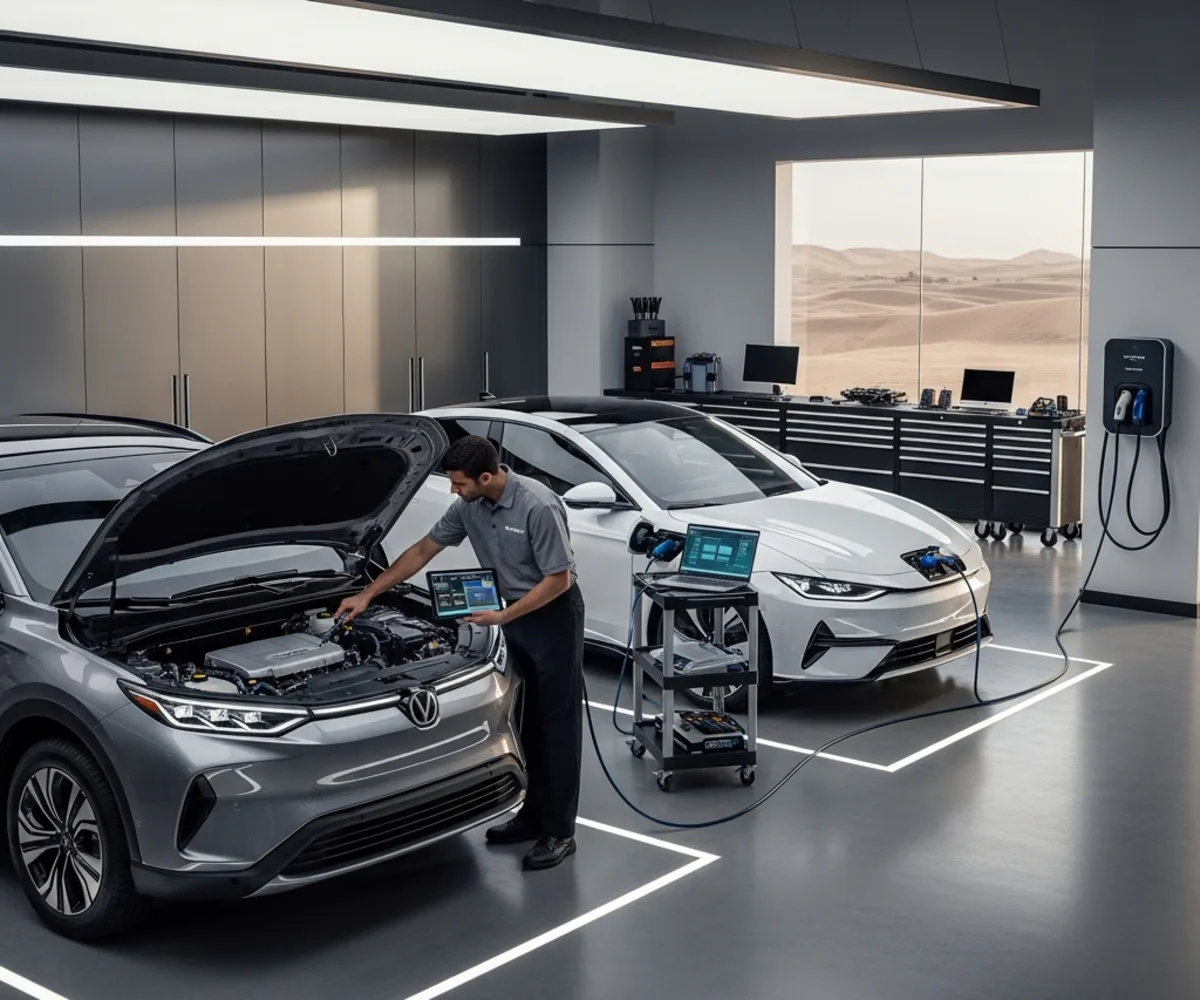
Electrified vehicles bundle high-voltage batteries, inverters, power control units, and electric motors. These parts are several times pricier than traditional engines or gearboxes. If these components fail after the factory warranty, repair bills can top AED 20,000, especially if battery modules or control units are involved. Hybrid and EV components can also be difficult to diagnose and replace without brand-specific knowledge.
Advanced driver-assistance features (like adaptive cruise control, lane-keeping assist, blind-spot monitoring) rely on a network of cameras, radars, and ultrasonic sensors. Damage or failure to these, often in the front bumper or windscreen, can mean both replacement and re-calibration costs, sometimes exceeding AED 5,000 per incident.
Turbocharged engines and dual-clutch transmissions promise improved performance and efficiency. But in hot, dusty climates, they can experience premature wear, oil leaks, or expensive gearbox faults, especially as mileage climbs. These repairs often require more parts and specialist tools than standard engines.
Brands new to the UAE, or those with small dealer networks, may take longer to source replacement parts. If a model uses rare components or there are few trained technicians locally, downtime and labour costs can quickly balloon.
High summer temperatures, frequent sand and dust, and daily urban traffic all put extra strain on electronics, cooling systems, batteries, and seals. Some global models released in 2026 might prove more sensitive to these factors, especially if they’re tuned for cooler or less demanding markets.
Let’s look at the main upcoming hybrid and electric models in the UAE for 2026 and where extended warranty planning matters most.
The RAV4 Hybrid and expected Plug-in Hybrid rely on Toyota’s mature hybrid technology but still carry high-voltage battery packs, inverters, and complex ECUs. Battery warranties may run 5 to 8 years, but electronics and powertrain parts can be exposed after that. Extended warranty is strongly recommended if you plan long-term ownership or high mileage.
The fully electric Ioniq 5 combines a large, expensive battery pack with advanced infotainment and driver aids. Software glitches or electrical gremlins can be costly out of warranty. As a relatively new EV in the region, it may see higher parts cost and variable service times compared to mainstream petrol models.
These Chinese brands are pushing aggressively into the UAE with sharp designs and high-tech features. They bring both promise and risk: brand-new tech, fast software updates, and strong battery focus. However, parts logistics, service skill, and resale history remain unproven. For now, extended warranty is important for risk-averse buyers.
Lexus hybrids blend reliability and luxury, but their systems are intricate, with complex inverters, cooling systems, and layered electronics. While they benefit from a strong UAE dealer network, the cost to fix a hybrid control unit, inverter, or infotainment system after warranty can be steep.
Even traditional petrol SUVs have shifted to more tech and turbocharging. Here’s where extended warranty planning may or may not be essential:
If a new generation lands in 2026, expect more ADAS and perhaps downsized turbo engines. Historically rugged, the Pajero Sport may now carry more electronics, making extended warranty a smart bet for higher-spec trims.
The facelifted Seltos brings new ADAS features and turbo engines to the segment. While Kia’s aftersales presence in the UAE has improved, these added systems can drive up repair complexity and cost versus purely mechanical crossovers.
Both are popular for value, but turbocharged engines, expanding ADAS packages, and non-mainstream electronics mean risk rises as these cars age past warranty. Parts have become more accessible, but not to the level of Japanese or Korean benchmarks.
If you value simplicity and low surprise costs, a few models stand out:
Even high-tech vehicles can sometimes be low-risk if the brand has invested heavily in service support and warranties. For buyers, low complexity plus strong UAE spares and service is still the safest long-term play.
When choosing an extended warranty for a new model, buyers should look beyond the headline years or mileage. Coverage specifics matter more than ever:
Be wary of cheap warranties with broad exclusions, especially on batteries, infotainment, and ADAS. These are often the most critical areas for new-generation models.
Extended warranty value depends on how long you’ll keep the car, what you use it for, and your risk comfort. Some key decision points:
If in doubt, think about your personal tolerance for sudden repair bills. If you would find a major out-of-warranty EV or turbo repair difficult to finance, extended cover is the smart buffer.
The 2026 wave of UAE cars will test buyers like never before. With advanced electrics, more electronics, and changing parts supply, repair and ownership risks are moving targets. For hybrids, EVs, and advanced petrol SUVs, especially those new to the region, extended warranty planning is a practical way to protect your investment and peace of mind. Focus on the areas where costs are highest, ask detailed questions at purchase, and remember: in a market as demanding as the UAE, thinking ahead on warranty may be the best decision you make after picking your next car.