If you have ever tried to get a warranty for a car in the UAE, you already know the feeling. Some applications feel smooth. A few basic details, maybe a quick inspection, and you are done. Others feel like a mini investigation. Extra questions. More photos. More documents. Sometimes even a rejection, even though the car seems fine.
It is easy to assume this process is random. Most of the time, it is not.
Warranty providers rarely publish a clear list of brands that face stricter screening. Those internal rules are part of how risk is managed. Still, clear patterns exist. In the UAE, car brands that are more complex to diagnose, more expensive to repair, more commonly modified, or more likely to develop multi-factor faults usually face tighter eligibility checks. The badge itself is not the only factor, but it often reflects the type of ownership and risk profile behind the vehicle.
This article explains which car brands typically face more warranty eligibility checks in the UAE, why that happens, what providers are trying to filter out, and how owners can improve their chances of qualifying without unnecessary delays.
Before discussing brands, it helps to understand what eligibility checks are designed to do.
Most warranties do not cover pre-existing issues or problems that are already developing. Eligibility checks exist to establish a baseline condition for the car before coverage begins. The provider is trying to answer one question: Is this vehicle likely to trigger claims immediately because issues already exist or because the risk level is unusually high?
To answer that, providers often rely on:
When a brand has a higher likelihood of hidden or complex issues, the eligibility process naturally becomes stricter.
These are not hard rules, but consistent real-world tendencies.
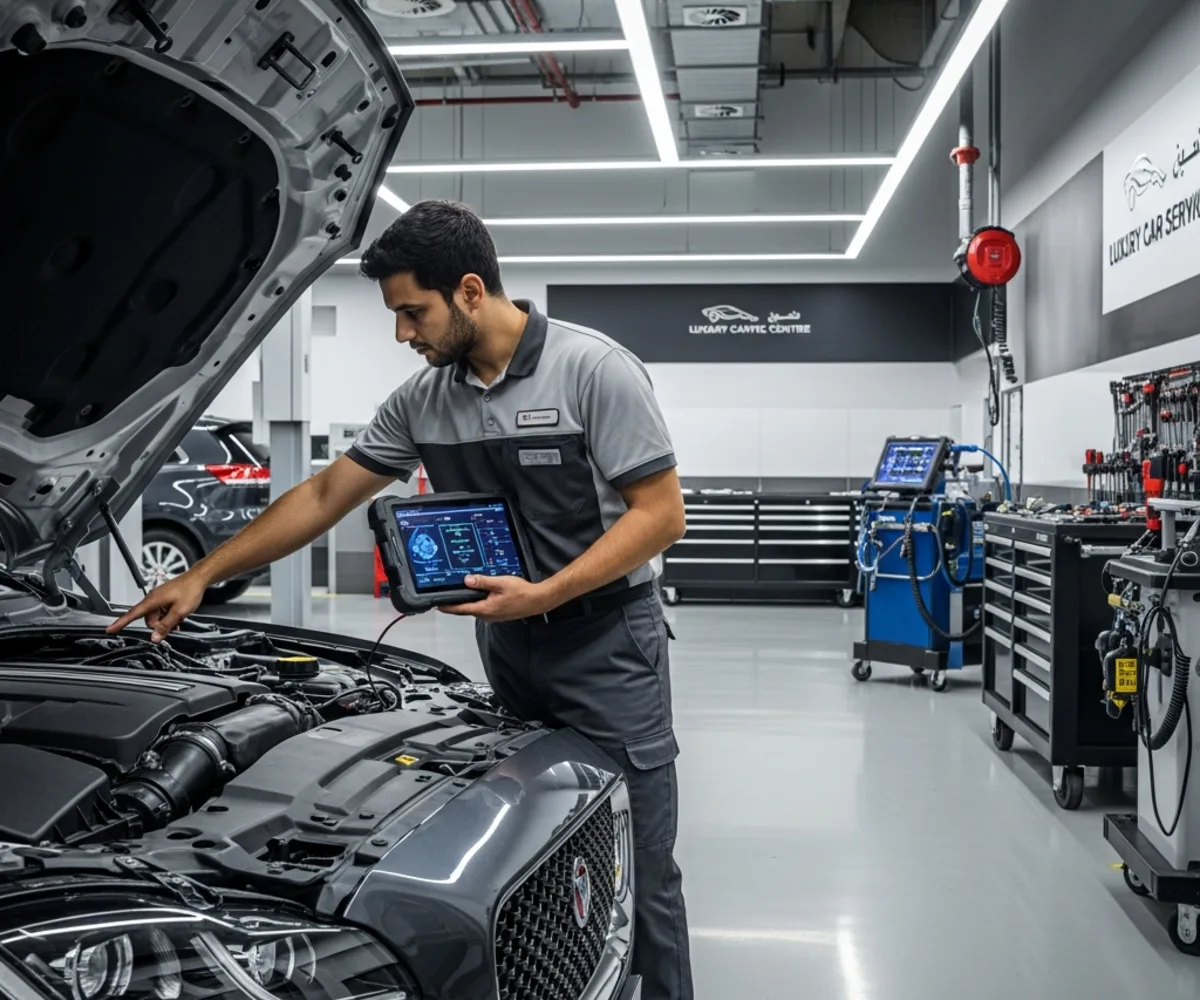
Examples: BMW, Mercedes-Benz, Audi, Porsche
European luxury brands often face the most detailed eligibility screening in the UAE.
There are a few reasons for this:
Eligibility checks for these brands often include full diagnostic scans, closer inspection for leaks and suspension behavior, and detailed service record reviews. Intermittent electronics warnings, even if they are not active at the time of inspection, can trigger additional scrutiny.
This does not mean these cars are unreliable. It means that when issues arise, they are harder to isolate cleanly, which increases uncertainty at the eligibility stage.
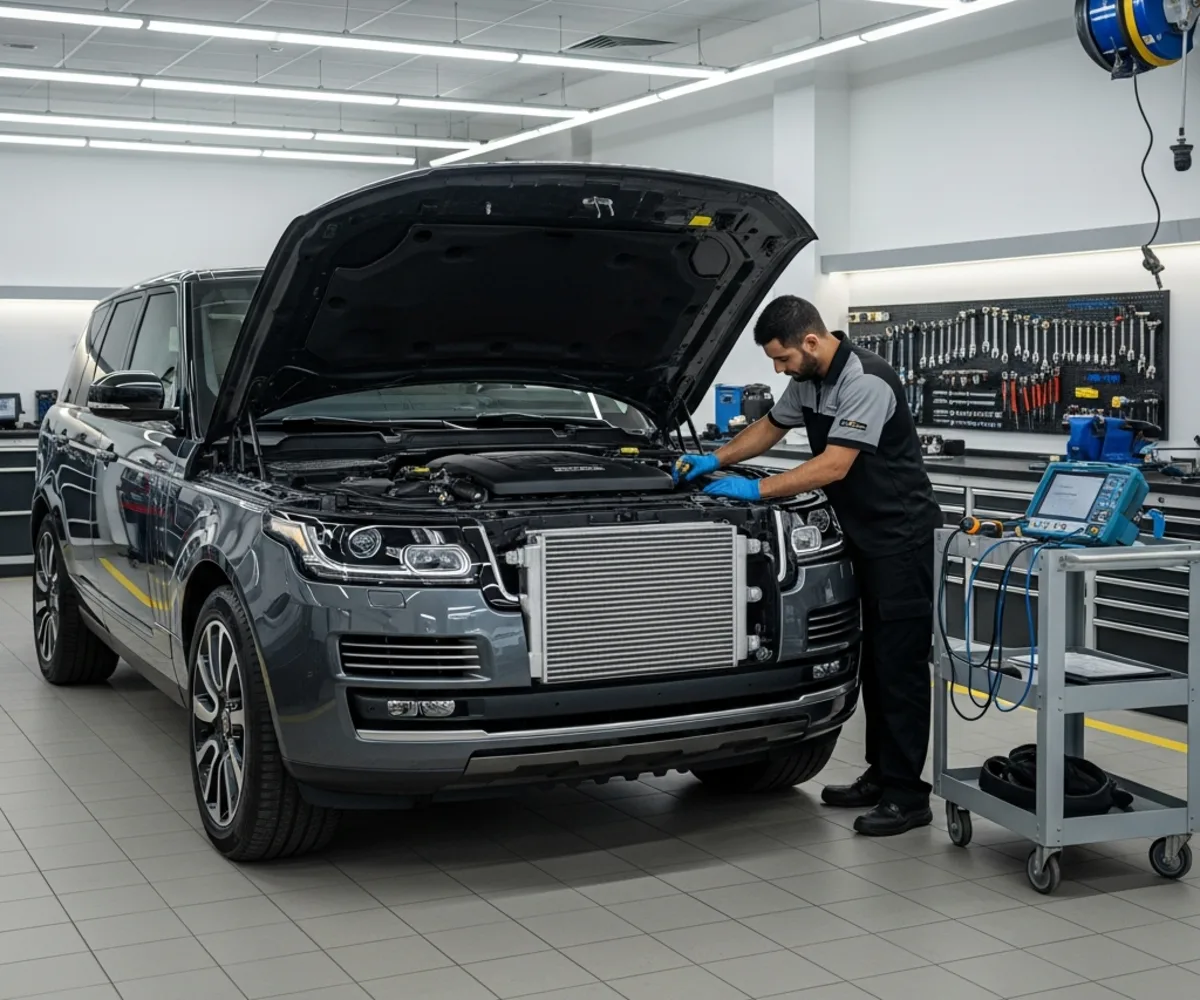
Examples: Range Rover, Land Rover, Jaguar
British luxury SUVs often sit at the top of warranty screening lists.
These vehicles combine luxury electronics with heavy SUV systems, air suspension, and complex drivetrain layouts. In the UAE, they are also exposed to heat, sand, off-road use, and heavy urban driving, all of which increase stress on suspension and electronics.
Eligibility checks commonly focus on:
If a vehicle already shows intermittent warnings or borderline suspension behavior, providers tend to proceed cautiously.
This is less about the brand and more about the trim.
Examples: AMG, BMW M, Audi RS, Porsche performance models, Range Rover SVR
High-performance models almost always trigger additional eligibility checks, even if the base brand is already accepted.
Why?
Eligibility reviews for performance variants often include deeper diagnostics, stricter scrutiny of modifications, and closer inspection of cooling and drivetrain behavior. Tuned vehicles may face exclusions or outright rejection, depending on policy terms.
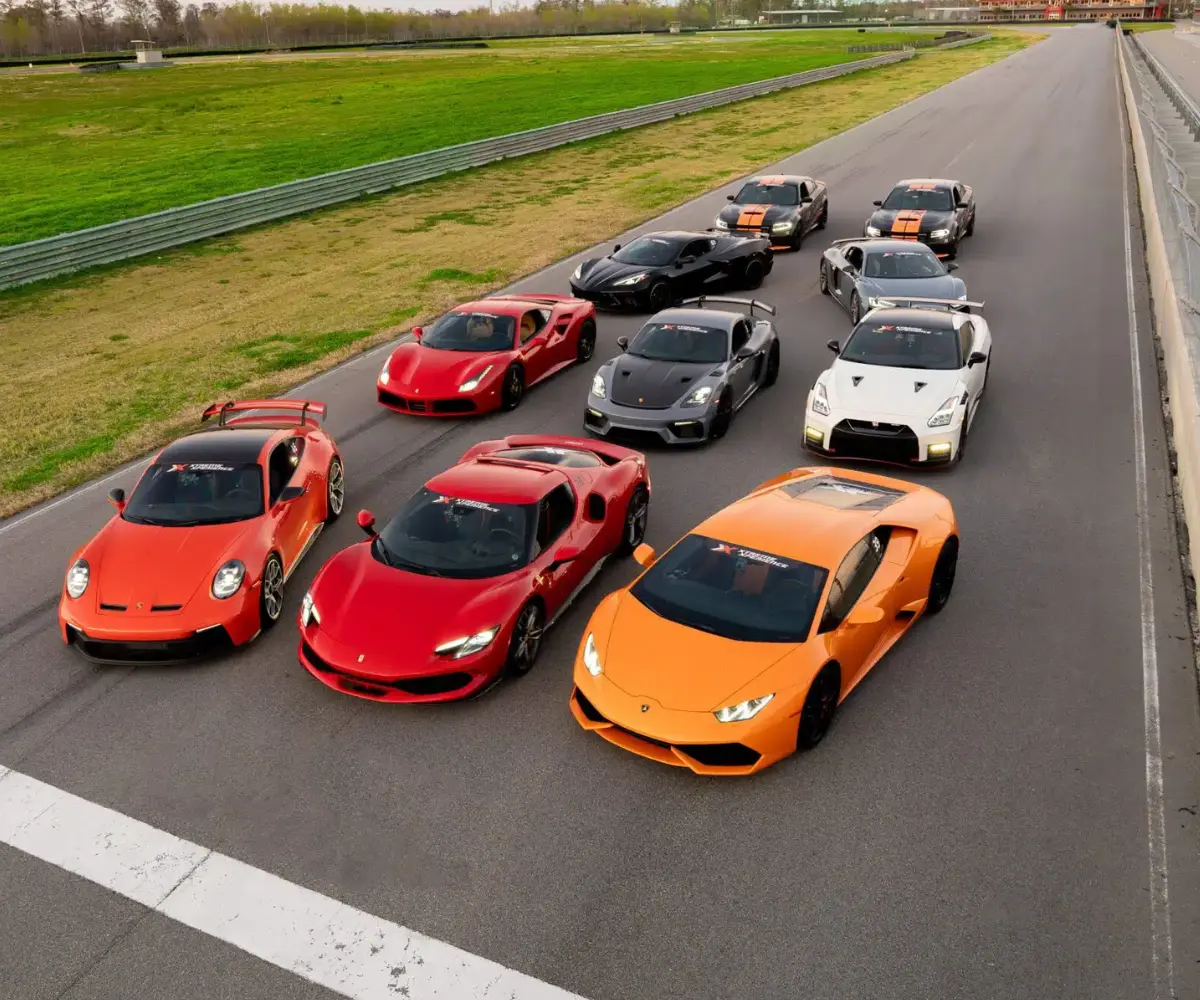
Examples: Ferrari, Lamborghini, McLaren, Bentley, Rolls-Royce
Many standard warranty programs either restrict or decline coverage for exotic and ultra-luxury vehicles.
The reasons go beyond repair cost:
In many cases, these brands require bespoke coverage or are excluded entirely from general warranty products.
Examples: Jeep, lifted SUVs, custom off-road builds
In the UAE, vehicles commonly used for desert driving or modified for off-road use often face stricter eligibility checks, regardless of brand.
Providers may look closely at:
A stock vehicle with clean records may still qualify easily. Modified vehicles usually face more questions due to the increased chance of ambiguous failure causes.
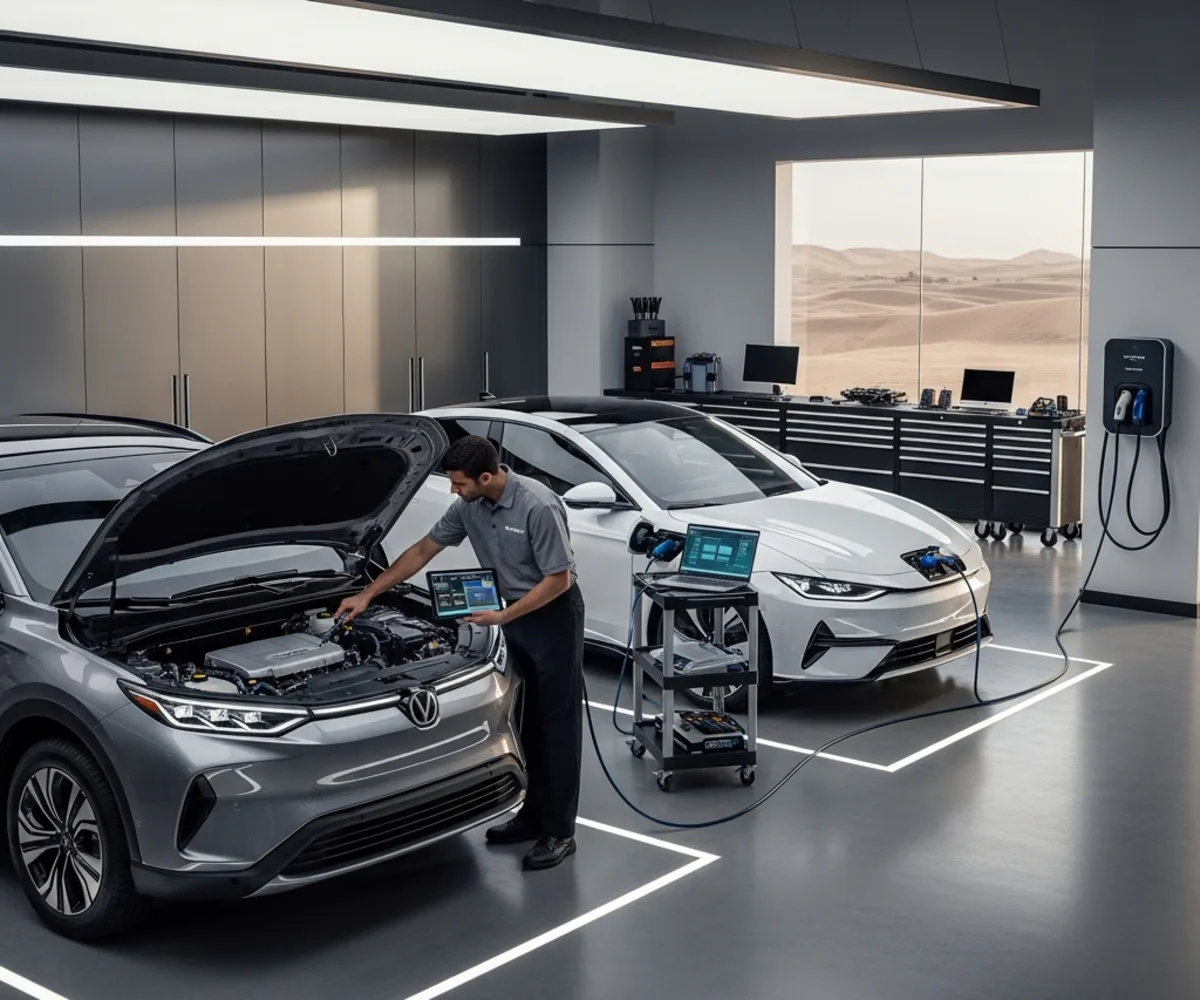
Electric and hybrid vehicles can also face additional eligibility checks, but for different reasons.
High-voltage systems, software dependency, and battery health indicators require specialized diagnostics. Providers often want confirmation that there are no unresolved warnings, error codes, or system faults before offering coverage.
The scrutiny is not necessarily higher, but the checklist is different.
Stricter eligibility checks are usually designed to prevent a few specific scenarios:
Eligibility screening is the provider’s first and best opportunity to reduce future claim disputes.
If you own a brand that tends to be screened more closely, expect some or all of the following:
This process is not meant to punish owners. It is meant to reduce uncertainty.
You cannot change your car’s badge, but you can control how prepared you are.
Bring service invoices, major repair documentation, and mileage progression. Clean records reduce follow-up questions.
If warning lights are active or symptoms are ongoing, address them first. Applying while an issue exists often leads to rejection due to pre-existing condition rules.
Tuning and coding are common rejection triggers when discovered later. Being upfront saves time.
Diagnostic tools store fault history. Attempting to hide issues usually makes the situation worse.
Flood or moisture-related damage creates long-term electrical uncertainty. A serious inspection can prevent disputes later.
Does the brand alone decide warranty eligibility?
No. Brand influences scrutiny, but vehicle condition, history, inspection results, and modifications matter more.
Why do luxury brands face more checks even when they feel fine?
Because complex systems can store faults without obvious symptoms, and providers want to avoid covering pre-existing issues.
Do reliable brands always pass easily?
Not always. Any brand can fail eligibility if the vehicle has unresolved faults, poor history, or heavy modifications.
What is the most common reason high-end cars fail eligibility?
Stored diagnostic faults, inconsistent service history, or undisclosed modifications.
In the UAE, the car brands that face the most warranty eligibility checks are usually those with higher complexity, higher repair exposure, and greater uncertainty around diagnostics. European luxury brands, British luxury SUVs, and high-performance variants sit at the top of that list. Not because they are bad cars, but because they present more grey areas when issues appear.
If you want the smoothest eligibility experience, treat the process like documentation rather than negotiation. Apply when the car is healthy, keep your records clean, be honest about modifications, and expect deeper scrutiny if your brand falls into a higher-risk category.