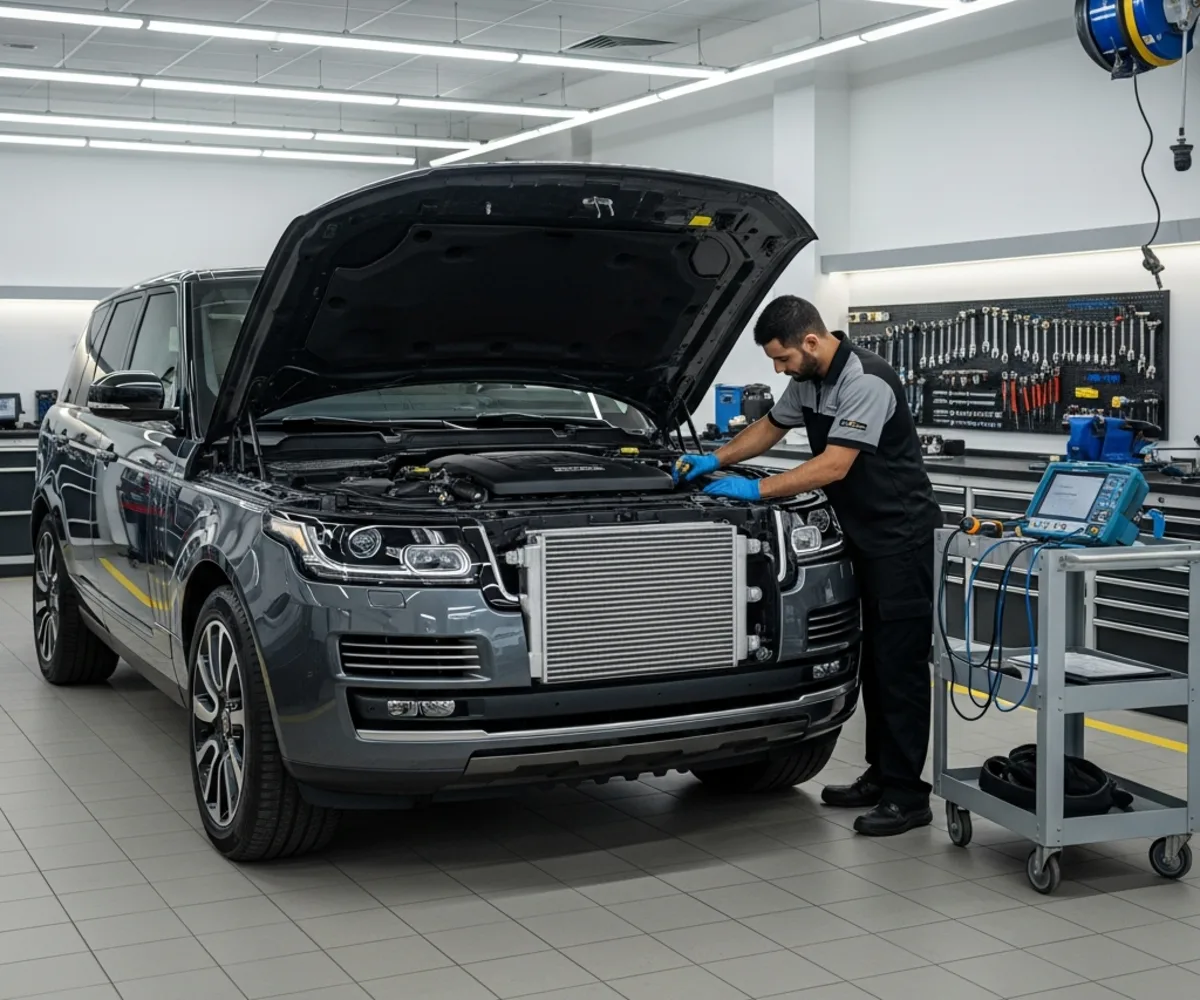
Owning a vehicle in the UAE brings convenience and flexibility, but for many drivers, the reality of high repair costs is never far away. This makes a vehicle warranty an important line of defence, whether you drive a new, used, or imported car. If you ever need to submit a claim, though, the outcome can depend as much on your paperwork as on the fault itself. Many owners find out too late that the right documentation can mean the difference between a straightforward repair and a drawn-out dispute or denial. This article will explain how inspection photos, service invoices, and scan reports prove your eligibility for claim approval, speed up decisions, and reduce the risk of costly surprises.
Before any warranty provider approves repairs, they want to be sure the fault is genuinely covered. This means separating genuine mechanical or electrical failures from damage caused by neglect, misuse, or everyday wear. Inspection photos, service invoices, and diagnostic scan reports form the backbone of this assessment. Clear records allow assessors to:
Without these documents, it becomes far harder to establish what went wrong and when, leading to claim delays, requests for more evidence, or outright rejections.
A warranty is a promise to cover certain failures, not every repair bill. Providers need evidence that a claim meets their terms. For example, if an engine component fails, inspection photos and scan reports can help reveal if the cause was a manufacturing defect (often covered) or gradual wear and poor maintenance (normally excluded).
Strong records create a timeline showing that the vehicle has been looked after as required by the warranty. Assessors use this to decide if the claim fits within your policy’s coverage. Gaps or unclear evidence make it harder to approve repairs quickly and harder for you to argue your case if there’s a dispute.
Inspection photos are more than just routine images they are often the first solid proof of your vehicle’s condition at the time of the claim. Reputable warranty assessors in the UAE typically require clear, time-stamped photos before authorising major repairs. Well-taken photos can:
Generally, assessors want images of:
For assessment, clarity is key:
Service invoices do more than record spending. They demonstrate an ongoing commitment to maintenance, which is a basic expectation in most warranty contracts. Providers in the UAE often require these to confirm that routine care was done by authorised or approved workshops and completed on schedule. Key points on invoices:
Invoices help establish a chain of care. If a repair need arises, these records can demonstrate the issue was not caused by neglect a common ground for claim rejection. Missing or unclear invoices can trigger extra questions from warranty assessors or cast doubt on whether the car was maintained as required. If service intervals were missed or performed by unofficial workshops, claims are more likely to be delayed or denied.
Electronic diagnostics have become central to modern claim decisions. Professional scan reports can:
Assessors use this objective data to check if the problem aligns with the timeline presented. For example, if a fault code was first logged long before the claim, it may suggest delayed reporting or neglect.
Scan reports support swift approval when the data matches the story presented in the claim. If the codes and dates align with recent symptoms, and servicing was up to date, this points to a covered failure. When scan results point to ongoing or repeated faults that went unaddressed, providers may question why you didn’t report the issue earlier or maintain the system.
All warranty contracts have exclusions: normal wear and tear, external damage, and failures caused by neglect or misuse are rarely covered. Documentation helps draw a clear boundary. Common signs that may affect claim approval include:
By comparing inspection photos, service invoices, and scan reports together, claim assessors build a full picture. They can spot inconsistencies, like photos showing excessive dirt or corrosion, invoices missing for key intervals, or scan data revealing ignored fault codes.
Strong preparation helps avoid most claim headaches. Before visiting a workshop or your warranty provider, gather:
Present this information clearly, preferably organised by date. If you are missing documents, request copies early from your service centre.
Incomplete records are a leading reason claims are delayed or disputed. Common problems include:
When your evidence is clear and complete, communication with the warranty provider becomes easier. It leaves less room for misunderstanding or suspicion, and puts you in a much stronger position to challenge any denial or request for ‘goodwill’ approvals.
If an assessor challenges your documentation, ask for detailed feedback on what’s missing or unclear. Re-submit improved records promptly, and if in doubt, request a written inspection or a fresh diagnostic at an approved centre. Keeping calm and organised is your best defence.
For UAE vehicle owners, inspection photos, service invoices, and scan reports are not just routine paperwork: they are your evidence that a claim is genuine and within policy. By collecting and presenting clear records, you speed up claim approval, reduce the risk of disputes, and protect yourself from unexpected repair bills. Being prepared is always better than scrambling for missing documents after a fault appears. Take a few minutes to organise your files now, and you will thank yourself if the day comes when you need that warranty to work for you.